We’re not doing homework again tonight! – How a family task board cut our stress in half
"We’re not doing homework again tonight!" That’s what my ten-year-old shouted last winter, tears welling up as she slammed her backpack on the kitchen table. I stood there, heart sinking, dinner cooling, wondering how we’d ended up here—again. The worksheet was forgotten at school. The project was due tomorrow. And the tension? Thick enough to slice. I used to dread evenings, caught in a loop of nagging, guilt, and last-minute panic. But everything changed when we brought a simple tool from my office into our kitchen: a shared family task board. It wasn’t magic. It didn’t do the homework for us. But it gave us something better—clarity, calm, and the space to actually enjoy being a family.
The Breaking Point: When Homework Battles Broke Our Evenings
Let’s be honest—parenting doesn’t come with a manual, and no one warns you how much emotional energy it takes to manage the daily grind. For months, our evenings followed the same exhausting script. Dinner would end. I’d casually ask, "Did you finish your math?" Cue the panic. "I thought I did!" Or worse: "I left it at school." My son would vanish into his room, emerging 45 minutes later with a half-completed reading log and a defeated look. My daughter started crying before we even mentioned homework. The reminders—well-meaning, I promise—turned into arguments. "I told you this morning!" "No, you didn’t!" Sound familiar?
It wasn’t just about the work. It was the weight of it all—the constant mental load of tracking assignments, practices, permission slips, and laundry that never seemed to end. I felt like a project manager with no tools, just sticky notes falling off the fridge and a school planner that somehow never got opened. The worst part? We were losing connection. Instead of winding down together, we were stuck in a cycle of stress and blame. I missed the easy laughter, the bedtime stories without resistance, the feeling that we were a team. I knew there had to be a better way. I just didn’t know it was already in my work email.
A Work Tool That Felt Like a Family Lifeline
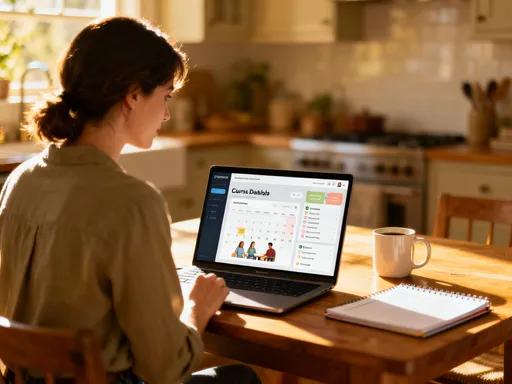
Here’s the thing I realized one Tuesday afternoon: at work, my team uses a visual task board to manage projects. We drag tasks from "To Do" to "In Progress" to "Done." We set due dates, add comments, and use color-coded labels so everyone knows what’s urgent, what’s waiting on feedback, and what’s wrapped up. It’s simple, clear, and—dare I say—kind of satisfying. I’d been using it for years without thinking much about it. But one evening, as I stared at my daughter’s crumpled science assignment, it hit me: Why can’t we do this at home?
I wasn’t looking to turn my kids into corporate employees. But the logic of visual organization—seeing what needs to be done, who’s responsible, and when it’s due—felt like it could work for a family, too. So I set up a shared board online, the kind you can access from a phone, tablet, or laptop. No downloads, no passwords for the kids—just a link and a simple layout. I created three columns: "To Do," "Doing," and "Done." Then I added our first tasks: "Finish book report," "Practice spelling words," "Take out trash." Within minutes, it felt different. This wasn’t another chore chart on the wall. It was interactive. It was shared. And for the first time, the responsibility wasn’t all on me to remember and remind.
Turning Tasks into Teamwork: How We Built Our Family Board
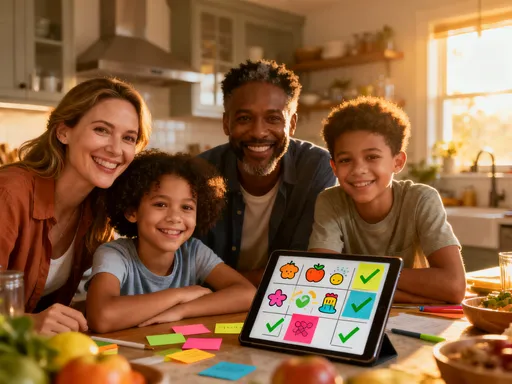
The real magic didn’t happen when I set it up—it happened when we built it together. One Saturday morning, over pancakes and juice boxes, we sat at the kitchen table with our devices. I showed the kids the blank board. "This is going to be our family hub," I said. "You get to help decide how it looks." Their eyes lit up. We brainstormed categories: school, chores, family time, personal goals. Then we picked colors. Blue for school, green for chores, yellow for fun stuff, purple for family projects. My son chose a dinosaur emoji for his profile. My daughter picked a rainbow star. Suddenly, it wasn’t my tool. It was ours.
We spent 20 minutes adding tasks for the week. I typed them in, but they decided the order and the due dates. "The book report is due Friday, so let’s put it in 'To Do' now," my daughter said. "And I can move it to 'Doing' when I start." We added small things—"Feed the hamster," "Pack lunch"—and bigger ones like "Practice piano for recital." The key was making it visual and fun, not rigid or punishing. We even added a "Family Wins" section where we could post little notes like "We all got ready on time today!" or "No homework arguments!" It wasn’t about perfection. It was about progress, together.
From “I Forgot” to “Look, I Finished!”: The Shift in Mindset
The change didn’t happen overnight, but it was real. The first week, I still had to nudge: "Hey, want to check the board?" By week two, my son was logging in before dinner. "Mom, I moved my math sheet to 'Doing'!" he announced, grinning. And then—the moment that made it all worth it—my daughter, the one who used to cry at the mention of homework, said, "Look! I finished everything!" as she dragged her last card to "Done." No prompting. No reminders. Just pride.
That’s when I realized this wasn’t just about getting tasks done. It was about shifting the emotional tone of our home. The defensiveness faded. The "I forgot" excuses disappeared because the tasks were right there, visible to everyone. There was no guessing, no blame. If something wasn’t done, we could look at the board and say, "Oh, it’s still in 'To Do'—want help getting started?" instead of "Why haven’t you done this yet?" That small change in language made a huge difference. My kids started feeling more in control. They weren’t just reacting to demands—they were planning, deciding, and taking ownership. And honestly? I felt lighter, too. I wasn’t the memory keeper or the nag police anymore. I was a teammate.
Beyond Homework: Chores, Routines, and Family Goals That Stick
Once we got the hang of it, we started expanding. Chores used to be a battleground—"I did it!" "No, you didn’t!" Now, we added a "Chore Tracker" column. Each kid has a checklist: "Make bed," "Clear table," "Water plants." They check them off daily, and we review on Sundays. No arguments. Just facts. And because they see their progress, they actually care. My son loves filling in his little progress bar. "I’ve done my chores five days in a row!" he’ll say, showing me his screen like it’s a badge of honor.
We also added morning and bedtime routines. "Morning Routine" includes "Brush teeth," "Pack backpack," "Eat breakfast." Instead of me yelling from the hallway, they check the board. It’s not about control—it’s about consistency. We even started using it for family goals. One month, we wanted to save $50 for a new board game. We created a "Savings Jar" tracker and moved a dollar symbol each time we added money. When we hit $50, we celebrated with ice cream. Another week, we planned a picnic—"Pick recipe," "Buy supplies," "Pack blanket"—all on the board. It turned planning into something fun, something we did together, not another chore on my to-do list.
Why It Works: The Hidden Skills My Child Gained Without Realizing
Here’s what surprised me most: this simple board didn’t just reduce stress. It taught my kids skills I didn’t even know they were learning. Time management. Prioritization. Breaking big tasks into smaller steps. When my daughter had a big science fair project, instead of panicking the night before, she said, "Let’s add it to the board and split it up." We broke it into "Research topic," "Build model," "Write display board," and set mini-deadlines. She worked on it in chunks—no last-minute meltdown. That’s executive function in action, and she was building it naturally, without worksheets or lectures.
They also learned to communicate better. If they were stuck on a task, they started saying, "Can I move this to 'Need Help'?" instead of shutting down. We added a "Stuck?" column where they could flag things, and I’d check in. It opened up conversations. "What part is tricky?" "Want to work on it together?" It wasn’t about fixing it for them—it was about guiding. And because the board made everything visible, they started planning ahead. "The field trip is next week," my son said one morning. "Should I add 'Pack lunch' to 'To Do'?" That kind of foresight? That’s gold. These aren’t just school skills. They’re life skills. And they’re growing in a way that feels light, not heavy.
Making It Your Own: Simple Tips to Start Tonight
If you’re thinking, "This sounds great, but I’m not tech-savvy," I get it. That was me, too. The truth is, you don’t need to be. Most of these tools are designed to be simple. You can start with just one thing—homework. Create three columns. Add five tasks. Invite your kids to help. Keep it positive. Celebrate the small wins. "You moved two cards today—awesome!"
Don’t aim for perfection. Some days, tasks will pile up. That’s okay. Use it as a chance to talk: "Looks like this week was busy. What can we do differently?" Let your kids pick the emojis, the colors, the names of the columns. The more it feels like their space, the more they’ll engage. And remember—this isn’t about replacing parenting with an app. It’s about using a smart tool to make parenting a little easier, a little calmer, and a lot more connected. You’re not outsourcing responsibility. You’re making it visible, shared, and even kind of fun.
So tonight, after dinner, instead of diving into the homework scramble, try this: sit together, open a shared board, and add one task. Just one. See how it feels. Maybe your child will smile when they drag it to "Done." Maybe you’ll feel a little less overwhelmed. And maybe—just maybe—you’ll realize that peace isn’t some far-off dream. It’s right there, in a simple click, a shared screen, and a family that’s finally on the same page. Because when we stop chasing tasks and start managing them together, we don’t just get more done. We get more time—for laughter, for connection, for being a family. And that? That’s the real win.