More than a commute: How online learning helped me grow every day on the go
Have you ever sat on a train or bus, scrolling mindlessly through your phone, wishing you could do something meaningful with that time? I felt the same—until I started using online courses during my daily commute. What began as a way to pass time slowly transformed into a personal growth journey. With progress tracking features quietly guiding me, I discovered a smarter, calmer, and more confident version of myself—one ride at a time. It wasn’t about becoming an expert overnight. It was about showing up for myself, even in small ways, and realizing that growth doesn’t need perfect conditions. It just needs a little intention and the right tools to make it feel possible.
The Commute That Changed Everything
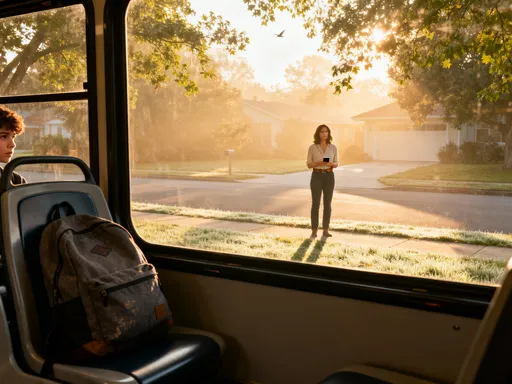
Let’s be honest—most of us don’t look forward to the daily commute. I used to dread mine. Every morning, I’d board the same crowded train, gripping my coffee like a lifeline, watching the minutes tick by as we inched toward the city. Forty minutes each way. That’s over an hour a day—more than five hours a week—spent just… waiting. I’d scroll through social media, check messages, maybe read a few headlines. But deep down, I knew I was wasting time I’d never get back. And worse, I felt stuck—not just on the train, but in life. Like I was moving forward physically, but standing still in every other way.
Then one rainy Tuesday, everything shifted. I missed my usual podcast download and, out of boredom, opened an online learning app I’d installed months ago and forgotten. I clicked on a short course about mindful communication—just ten minutes long. I didn’t expect much. But by the time I reached my stop, something had changed. I wasn’t just awake—I felt awake. The ideas stuck with me all day. I noticed myself listening more carefully in meetings. I paused before reacting in a tense conversation. That tiny moment of learning didn’t just fill time—it changed how I showed up in the world.
That’s when I realized: my commute didn’t have to be dead time. It could be growth time. Not grand, life-altering change, but small, steady steps that added up. The key wasn’t adding more to my day. It was using what I already had. And once I started seeing those 40 minutes as a gift instead of a burden, everything shifted. I began to look forward to my rides, not for where I was going, but for what I could learn along the way.
Finding the Right Fit: Online Learning That Works for Real Life
Now, I won’t pretend every online course is perfect for commuting. Early on, I tried diving into a data analysis class—big mistake. It required focus, a keyboard, and stable internet. Halfway through a lesson, the train went underground, my screen froze, and I gave up, frustrated. That’s when I learned an important truth: not all learning tools are made for real life. The ones that work aren’t flashy or intense. They’re simple, flexible, and designed for moments like ours—short, unpredictable, and often interrupted.
What finally clicked for me was finding platforms built for microlearning—short, focused lessons you can finish in one sitting. Think five to fifteen minutes, not hour-long lectures. These courses were mobile-first, meaning they loaded fast, used minimal data, and worked offline. I could download a lesson the night before and listen during a spotty connection. And many were audio-optimized, so I could close my eyes, put in my earbuds, and just listen—perfect for crowded trains where screen time feels awkward.
I also started looking for courses with voice-led instruction instead of video-heavy formats. One platform I love uses a friendly narrator who sounds like a coach walking you through each concept. It feels personal, not robotic. And because the lessons are broken into clear sections—“Lesson 3 of 8”—I always knew where I stood. No guessing. No overwhelm. Just a clear path forward, one small step at a time. That made all the difference. Learning stopped feeling like a chore and started feeling like a quiet act of self-care.
Why Progress Tracking Made the Difference
Here’s the surprising thing: what kept me going wasn’t just the content. It was seeing my progress—visually, clearly, and consistently. I remember the first time I saw a little green bar fill up after completing a lesson. It said “30% complete.” I know it sounds small, but that tiny visual hit me right in the heart. For once, I could see that I was moving forward. No vague promises. No “I’ll get to it someday.” Just proof—right there on my phone—that I was actually doing something.
These progress features weren’t fancy. No fireworks or loud notifications. Just simple, thoughtful design: a weekly email summarizing what I’d learned, a dashboard showing my streak (how many days in a row I’d studied), and little badges for finishing modules. But they worked. On days when I was tired or unmotivated, seeing that I had a 12-day streak going made me think twice about skipping. I didn’t want to break it. It wasn’t about perfection—it was about showing up, even when I didn’t feel like it.
Psychologists call this behavioral momentum—small wins that build confidence and keep you going. And that’s exactly what happened. Each completed lesson, each filled progress bar, told me, “You’re capable. You’re growing.” It wasn’t just tracking data. It was tracking me. And over time, that shifted how I saw myself—not as someone who never has enough time, but as someone who makes the most of the time she has.
Learning in Motion: A Day-by-Day Journey
Let me take you through a typical week in my new routine. Monday morning: I board the train with my earbuds in, ready for a 12-minute lesson on active listening. I’ve been working on being more present in conversations, and this course breaks it down—how to pause, reflect, and respond with care. By the time I reach the office, I feel grounded, not rushed.
Wednesday evening: the train is delayed—again. Instead of sighing and pulling out my phone to scroll, I open my app and review flashcards from a course on emotional intelligence. It’s a habit now. Even five minutes counts. I’m learning how to name my emotions, understand triggers, and respond with intention. These aren’t just abstract ideas—they’re tools I use at home with my kids, in meetings, even in tense moments with friends.
Friday lunch break: I’m walking to a café near work, and I play a recap audio from a course on time management. It’s not about doing more—it’s about doing what matters. The instructor talks about “time affluence”—the feeling of having enough time—versus “time poverty,” which so many of us feel. I slow my pace, really listen, and realize how much I’ve already shifted. I’m not just surviving my schedule—I’m starting to shape it.
Sunday afternoon: I’m heading to visit family, and I use the ride to finish a course on mindful parenting. No screens, just audio. I hear stories from other parents, practical tips for staying calm during meltdowns, and gentle reminders to enjoy the little moments. When I arrive, I feel more patient, more present. My niece runs to me, and instead of being distracted by my phone, I’m fully there. That’s when it hits me: this isn’t just learning. It’s living differently.
Beyond Knowledge: How Learning Transformed My Mindset
The truth is, I didn’t start this journey to become an expert in communication or time management. I started because I wanted to feel like I was growing—even in the small spaces of my day. And what I didn’t expect was how much it would change the way I see myself. Picking up a new skill during “wasted” time made me feel resourceful. Staying consistent, even when life got busy, made me feel capable. And seeing my progress, week after week, made me feel seen.
There’s a quiet power in knowing you’re moving forward—even if no one else notices. I began to carry that confidence into other areas of my life. At work, I volunteered to lead a small project, something I would’ve avoided before. At home, I started having deeper conversations with my partner, using what I’d learned about listening without interrupting. I even joined a local book club, something I’d been too nervous to try for years.
The ripple effects surprised me. My kids noticed I was calmer. My coworkers said I seemed more focused. And I felt a deeper sense of purpose—not because I was doing something huge, but because I was showing up for myself, day after day. The app didn’t just teach me skills. It taught me that I am worth investing in. And that belief—that quiet, steady sense of self-worth—is the real transformation.
Making It Work for You: Simple Tips to Start Today
You don’t need a two-hour commute or a perfectly quiet home to start. I promise you, this is for everyone—especially if you feel like you’re “too busy” to learn. Here’s how I made it work, and how you can too.
First, start small. Pick a course that’s under 15 minutes per lesson. Look for topics that matter to you—maybe parenting, stress management, or creative writing. The key is relevance. When learning feels personal, it sticks.
Second, pair it with a habit you already have. Listen during your commute, while folding laundry, or on your morning walk. I attached mine to my coffee ritual—first sip, first lesson. It became automatic.
Third, use offline mode. Download lessons the night before so you’re not fighting spotty Wi-Fi. That way, you’re ready no matter where you are.
Fourth, set a realistic goal. One lesson a week? Great. Three? Even better. But don’t aim for perfection. Life happens. The goal is consistency, not speed.
And finally, celebrate small wins. Did you finish a lesson? Pause and acknowledge it. Say to yourself, “I did that.” That moment of recognition builds momentum. You don’t need a trophy. You just need to know you’re moving.
The Bigger Picture: Growth That Moves With You
Looking back, I realize this journey wasn’t really about the courses or the apps. It was about reclaiming time—those in-between moments we often ignore. It was about deciding that personal growth doesn’t have to happen in grand gestures or weekend retreats. It can happen on a train, during a walk, in the quiet spaces between everything else.
Technology gets a bad rap sometimes. We hear about screen addiction, distraction, the pressure to be always on. But when it’s designed with care, technology can do the opposite. It can help us slow down, focus, and grow in ways that feel natural. It can remind us that we’re capable, that we’re learning, that we’re becoming.
And maybe the most beautiful part is that this kind of growth is sustainable. It doesn’t burn you out. It weaves into your life, quietly, steadily, like a thread stitching strength into the fabric of your days. You don’t have to change everything at once. You just have to start somewhere—anywhere. Even on a crowded train, with your coffee in one hand and your phone in the other.
Because growth isn’t about how much you do. It’s about showing up for yourself, again and again, in the moments you already have. And sometimes, the most powerful journey begins not with a big leap—but with a single ride.