Cut My Family’s Weekend Chaos by Half: How Location Sharing Made Shopping Simple
Remember those weekends when you’re running late, your sister’s lost, and your mom keeps asking, “Where are you now?” I did—every single week. Then we started using location sharing just for our shopping trips. No more missed meetups, no more “I’m at the mall entrance!” texts. It sounds small, but it changed everything. Suddenly, we had time to laugh, browse, and actually enjoy being together. We weren’t just finding each other—we were reconnecting. And it all started with a simple tap on a screen.
The Shopping Trip That Almost Broke Us
It was a Saturday in October, crisp air, golden leaves, the kind of day that should have felt magical. Instead, I remember standing by the fountain in the middle of the mall, phone pressed to my ear, my voice tight with frustration. “Mom, I’m at the Apple Store. No, not the one near the food court. The other one. Yes, there are two!” My sister was circling the parking garage for the third time. My brother was stuck behind a slow-moving stroller army near the toy store. And my niece—sweet, seven-year-old Mia—was crying because she couldn’t find her mom. “I told her to wait by the shoe store!” my sister wailed over the phone. “But which shoe store?” I asked, already knowing the answer. There were four.
That day, we spent two hours apart, stressed, snapping at each other through text chains that only made things worse. We didn’t buy much. We didn’t laugh. We didn’t enjoy a single moment. What should have been a fun family outing turned into a test of patience and pride. And when we finally regrouped—exhausted, hungry, and slightly resentful—I looked around and realized something painful: we were together, but we weren’t connected. We were all so focused on finding each other that we forgot to just be together.
That moment changed me. Not because I suddenly became tech-savvy, but because I realized how much small inefficiencies were stealing from our time. Time with my mom, who’s getting older and doesn’t move as fast. Time with my niece, who grows up a little more every month. Time with my siblings, who live just 20 minutes away but feel worlds apart most weeks. I didn’t want another outing like that. And that’s when I thought: what if we could just… see where each other was? Not all the time. Just when it mattered. Just when we were trying to be together.
Why We Tried Location Sharing (And Why We Were Skeptical)
I’ll admit it—I was nervous when I first brought it up. “What if we start feeling watched?” I asked my sister over coffee the next week. “Like we’re under surveillance instead of just hanging out?” She raised an eyebrow. “You want us to track each other like we’re in a spy movie?” My brother called it “creepy” the first time I mentioned it. “So now we’re all on a leash?” he joked. Even my mom, who barely uses emojis, looked worried. “Does this mean you’ll know where I am all the time?”
The truth is, we all had the same fear: that this little tool might chip away at our privacy, our independence, the unspoken trust we’ve built over years. We weren’t the kind of family who shared everything. We didn’t post daily updates or tag each other in memes. We liked our space. So the idea of sharing our real-time location felt, at first, like a line we didn’t want to cross.
But then I showed them how it actually works—not constant tracking, but temporary sharing. Like sending a digital hand wave: “Hey, I’m here. Come find me.” I explained that it only lasts as long as we want it to, and no one can see us unless we say yes. Still, they weren’t convinced. So I didn’t push. Instead, I waited for the next small moment—a simple grocery run with my mom and niece. “Let’s try it just this once,” I said. “No pressure. If it feels weird, we turn it off.” And just like that, we gave it a shot.
How It Actually Works in Real Life
The first time we used it, it was nothing fancy. We were heading to the big supermarket on Route 12, the one with the endless parking lot and the confusing entrance near the gas station. I opened my phone, tapped “Share My Location” in Messages, and sent it to my mom and Mia. “See?” I said, showing them my dot moving slowly down the road. “Now you’ll know when I’m close.” When I pulled into the parking lot, my mom texted: “I see you! You’re near the carts!”
It worked so smoothly that we didn’t even talk about it—until we realized how much easier it was. No more “Where are you?” texts. No more walking in the wrong entrance. No more waiting in the cold. I parked, sent a pin to the exact spot, and they walked right to me. “That was… actually kind of cool,” my mom said, smiling. Mia clapped. “We found Auntie like a treasure hunt!”
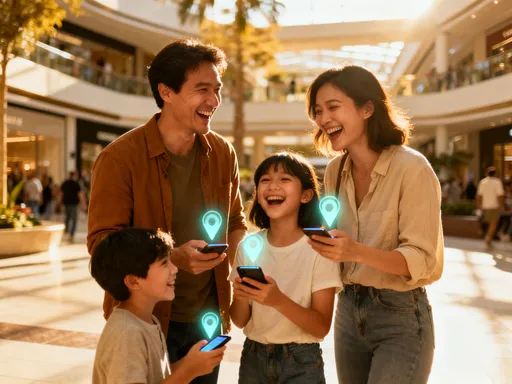
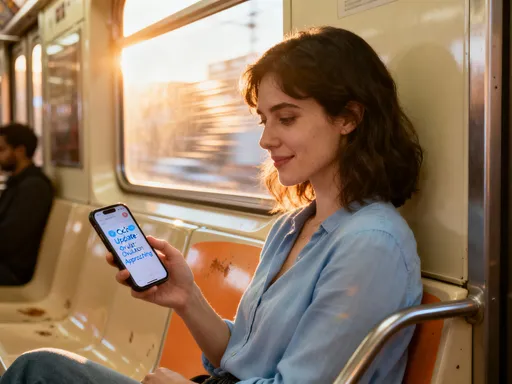
That small win gave us the confidence to try it at the mall. Now, our routine is simple. Before anyone leaves the house, someone starts a group chat—usually me or my sister. “Saturday Shopping Mode—activate!” someone will type, and we all laugh. Then, we share our live locations for two hours. We can see each other moving through the mall, popping into stores, heading to the restroom, or grabbing coffee. “I’m two stores past H&M—come quick, the sale’s ending!” my sister will message. Or, “Dad’s at the shoe repair—meet you there in ten?”
It’s not about watching each other. It’s about syncing up. It’s about removing the friction so we can get back to what matters: being present. And honestly? It feels less like tracking and more like holding hands through the noise.
The Unexpected Perks Beyond Finding Each Other
What surprised me most wasn’t just how much easier it was to meet up—it was all the little ways location sharing quietly improved our outings. For one, parking became stress-free. Instead of texting “I’m in the red section, row 12,” I just drop a pin right on my car. Everyone sees it instantly. No confusion. No walking in circles. My brother, who always forgets where he parked, calls it “the greatest invention since shopping carts.”
Then there’s the way we’ve started using it to share deals. My niece loves the bookstore, so when I pass it and see a 50% off sign, I’ll stop, snap a photo, and send it with my location: “Mia! Run here—your favorite series is on sale!” She comes sprinting, eyes wide, and we all end up laughing at how fast she can move when books are involved.
But the biggest gift? Peace of mind. My parents are in their late 60s, and I’ll admit—I worry. Not because anything’s wrong, but because I care. Before, if Mom said she was at the mall, I wouldn’t know if she was sitting down, feeling tired, or waiting somewhere quietly. Now, if she shares her location, I can see she’s near the seating area or the pharmacy. It’s not about control. It’s about connection. It’s about knowing she’s okay without having to call and interrupt her day.
And for the teens in the family? It’s been a game-changer. We used to hover, text every ten minutes, “Where are you?” “Who are you with?” “Be careful.” Now, when they go off to explore with cousins, we share locations for the afternoon. They get their independence. We get our calm. It’s a win-win. One afternoon, my nephew sent a pin from the arcade with a note: “Winning at air hockey. Come watch?” We did. And it was one of the best moments of the weekend.
Making It Feel Like Family, Not Surveillance
We knew early on that rules would keep this from feeling invasive. So we made a simple agreement—one we all had a say in. First: no constant tracking. Location sharing only happens during planned outings, and only when everyone agrees. Second: it’s always temporary. Two hours for shopping, one hour for dinner meetups, and that’s it. After that, it turns off automatically. Third: no passive checking. Just because someone shared their location last week doesn’t mean you can expect it today. Consent is key.
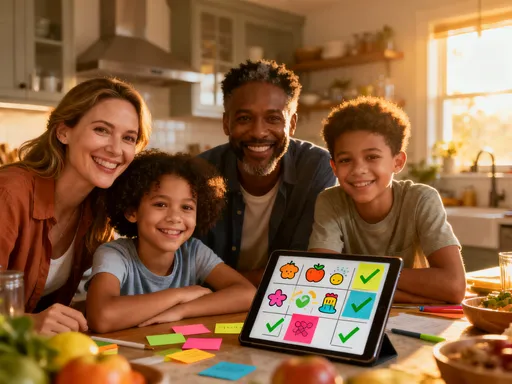
We also gave it a name: “Saturday Shopping Mode.” It sounds silly, but it helps. It turns a tech feature into a family ritual. It’s not “tracking”—it’s “activating the squad.” We even have emojis for it: a shopping bag, a map pin, a family of stick figures holding hands. When someone sends the pin, it feels warm, not cold.
And we talk about it. Not just how to use it, but how it makes us feel. My mom admitted she was nervous at first, but now she likes knowing where we are, especially when it rains or gets dark early. “It’s like having eyes without staring,” she said. My sister said it helped her stop feeling anxious when her daughter wanders off in big stores. “I know she’s safe. I can breathe.”
Trust isn’t built by technology. It’s built by honesty, respect, and small acts of care. And when we use location sharing with intention, it becomes one of those acts. It’s not about watching. It’s about caring. And when you frame it that way, it doesn’t feel like surveillance—it feels like love.
Simple Steps to Start (No Tech Skills Needed)
If you’re thinking, “This sounds great, but I’m not good with tech,” I promise—you don’t need to be. I’m not either. I still mix up iCloud and Google Drive. But this? This is simple. Here’s how we did it, step by step, using apps you probably already have.
First, make sure everyone has location services turned on. It’s usually in Settings, under Privacy or Location. You can check it in a minute—don’t worry, it won’t share your location yet. Then, open your messaging app. If you’re on an iPhone, go to Messages and start a group chat with your family. Tap the “i” in the top corner, then “Share My Location.” You’ll see options: one hour, until end of day, or indefinitely. We always pick one or two hours—just for the outing.
If you’re using Android, it’s just as easy. Open Google Maps, tap your profile picture, choose “Location sharing,” and pick how long you want to share. You can share with specific people from your contacts. No new apps. No passwords. No confusing menus.
Then, name it. We call ours “Saturday Shopping Mode” or “Family Outing Active.” It makes it feel personal, not technical. And when the time’s up, it stops automatically. No awkward “um, can you stop seeing me now?” moment.
Pro tip: practice at home first. Try it in your backyard or on a short walk. See how the dot moves. Get comfortable. And talk about it—ask how everyone feels. This isn’t about forcing anyone. It’s about offering a tool that might make life a little easier, together.
More Than Convenience—It’s How We Stay Close
I’ll never forget the first time we used location sharing at the holiday market. It was crowded, lights twinkling, music playing. We were scattered—my brother at the hot chocolate stand, my mom browsing scarves, my niece begging for a cinnamon pretzel. And then my phone buzzed. There was my family, little dots moving across the screen. I smiled. I wasn’t stressed. I wasn’t searching. I just… knew.
I walked to the pretzel stand, bought two, and handed one to Mia. “Found you,” I said. “I saw you coming!” she giggled. We sat on a bench, watched the lights, and talked about nothing important. But it felt important. Because for once, we weren’t rushing. We weren’t distracted. We were just there.
That’s what changed. It wasn’t just about saving time or avoiding frustration. It was about creating space—for laughter, for quiet moments, for the unplanned magic that happens when we’re truly present. Location sharing didn’t bring us closer because it showed us where we were. It brought us closer because it gave us back the time to actually be together.
Technology often feels cold, impersonal, like it’s pulling us away from real connection. But sometimes, the smallest tools can do the opposite. They can remove the noise. They can protect our time. They can help us love each other better—not by changing how we feel, but by making it easier to show up.
So if you’re tired of the chaos, the missed connections, the “where are you?” texts that never seem to help—try this. Just once. Share your location. Not to watch. Not to control. But to connect. Because in the end, it’s not about the tech. It’s about the moments it gives back to us. And those? Are priceless.