It’s Not Just Tracking: How a Period App Finally Made My Mornings Less Chaotic
Getting ready for work used to feel like a race against time—and my body. Between packing lunch, checking the kids’ backpacks, and fighting traffic, I’d often forget I was mid-cycle until it was too late. Stains on my chair, surprise cramps in meetings, panic trips to the bathroom—sound familiar? Then I started using a period app that didn’t just predict my cycle, but actually fit into my commute. It didn’t shout data at me; it quietly reminded me to slow down, drink water, or grab a snack before walking into the office. What changed wasn’t just my routine—it was my peace of mind. And honestly, that small shift made me wonder: why had I waited so long to let technology help me in a way that actually felt human?
The Morning Rush: When Life and Cycles Collide
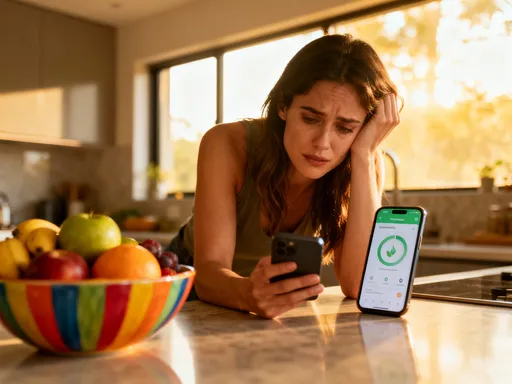
Mornings in my house are like a well-rehearsed, slightly chaotic ballet. The coffee starts brewing at 6:15 a.m., the dog needs a walk, the kids need socks that aren’t mismatched, and someone always forgets their permission slip. I’ve got a system down—most days. But no matter how organized I am, there’s one variable I couldn’t quite control: my period. It wasn’t the bleeding that threw me off—it was the surprise of it. One minute I’m kissing my youngest on the forehead, the next I’m scanning my work pants for telltale signs, heart racing. That feeling—of being caught off guard, of having to scramble in silence—is something so many of us know but rarely talk about.
And it’s not just about being unprepared with supplies. It’s the mental load that wears you down. The constant background check: Is today a heavy day? Did I pack enough? Will I make it to the bathroom in time? When you’re already juggling school drop-offs, work emails, and a to-do list that never ends, adding one more thing to monitor feels exhausting. I started to realize that my body wasn’t the problem—my tools were. I had apps for grocery lists, sleep tracking, even plant care, but nothing that truly helped me live through my cycle, especially during those high-pressure morning commutes. The disconnect wasn’t just inconvenient; it was emotionally draining. It made me feel like I was fighting myself every month, instead of moving through life with grace and support.
What I needed wasn’t another data tracker—it was a companion. Something that didn’t just record my cycle but understood my life around it. Because let’s be honest: most of us don’t have time to sit down and analyze fertility windows or basal body temperature charts. We need simplicity. We need reliability. We need tech that shows up when we’re rushing out the door, not when we finally sit down with a glass of wine at 9 p.m. That’s when I began to look for something different—not just a period tracker, but a tool that could actually reduce the chaos, not add to it.
Why Most Period Apps Fall Short During Commutes
I’ve tried more period apps than I can count. Some looked beautiful, with pastel calendars and floral icons. Others promised cutting-edge predictions using AI and machine learning. But too many of them failed me at the worst possible moments. I’d get a notification at 7:45 a.m. saying, “Your period starts today!”—after I’d already left the house, wearing light-colored pants. Or worse, I’d open the app during my train ride only to find it had crashed, frozen, or lost all my data after an update. It’s frustrating when a tool meant to support you becomes another source of stress.
The truth is, most period apps are designed for data lovers, not real-life multitaskers. They assume you have time to log symptoms, track moods, and review charts. They send alerts based on a clock, not your routine. I remember one app that notified me about ovulation at 2:37 a.m.—great for an insomniac, not so helpful for a mom who needs every minute of sleep she can get. Another sent me a detailed report every Sunday morning, right when I was trying to get the kids dressed for soccer practice. These weren’t helpful nudges—they felt like digital chores.
And let’s talk about timing. If an app tells me I’m entering a high-cramp zone at 8:15 a.m., but I’m already on a packed subway with no bathroom in sight, that information comes too late. It’s not enough to be accurate; it has to be useful. A notification that says “Heavy flow expected” is only helpful if it reaches me before I leave home. Otherwise, it’s just a reminder of what I could’ve done differently. What I needed was something that understood my rhythm—my real, messy, unpredictable day—not just my cycle dates. I wanted an app that didn’t treat me like a lab subject, but like a person trying to make it through the week with dignity intact.
That’s when I realized: accuracy without context is meaningless. Yes, it’s impressive if an app can predict ovulation within hours, but if it doesn’t know I leave the house at 7:20 a.m. and won’t be near a pharmacy until 6 p.m., what good is that precision? The gap wasn’t in the science—it was in the design. Most apps track the body, but ignore the life around it. And for someone like me, juggling work, family, and self-care, that gap made all the difference.
A Different Kind of Reminder: Designing for Real Life
Then I found one app that felt different from the start. It didn’t bombard me with graphs or demand daily logs. Instead, it asked a few simple questions: What time do you usually leave for work? Do you take the train or drive? How long is your commute? At first, I thought it was just gathering data, but soon I noticed something remarkable—its reminders started syncing with my routine. On days when my period was approaching, I’d get a gentle alert at 6:50 a.m.: “Pack an extra liner today—your flow is likely to start by mid-morning.” Not at 2 a.m. Not during my meeting. But at the perfect moment—when I was packing my bag, before I walked out the door.
Another time, I got a message: “Hydrate now—your train ride is 45 minutes with no bathroom access.” I laughed, but I also listened. I grabbed my water bottle and sipped all the way to the station. That small act made a difference. I didn’t feel bloated or dehydrated by 10 a.m. like I usually did. It wasn’t magic—it was thoughtful design. The app wasn’t just tracking my cycle; it was learning my life. It began to recognize patterns I didn’t even notice myself, like how my energy dipped on certain days or how I moved faster when I had back-to-back meetings.
What made it work was timing and tone. The alerts weren’t alarms. They didn’t buzz urgently or flash red. They were soft, almost conversational, like a friend checking in. “You’ve got a long day—maybe bring a sweater in case of chills?” That kind of message didn’t make me feel broken or in need of fixing. It made me feel seen. And because the notifications came at the right time—when I could actually do something about them—they became part of my routine, not an interruption.
I started to trust it. Not because it was perfect, but because it was consistent. It didn’t try to do everything. It focused on the moments that mattered—those small windows in the morning when a little preparation could prevent a lot of stress. And slowly, my mornings changed. I wasn’t racing against my body anymore. I was moving with it, supported by a tool that finally felt like it was on my side.
Stability Through Routine: How Predictability Breeds Calm
One of the most underrated qualities in any tech tool is simply working. I don’t need flashy features. I don’t need constant updates or new widgets. I need something that turns on when I need it, syncs across my phone and tablet, and doesn’t crash during the one moment I open it to check my cycle status before a big meeting. That reliability became the foundation of my trust. The app I now use doesn’t just predict my cycle—it stays with me through it. It’s there when I log in from my kitchen tablet while making breakfast, and it’s there on my phone when I’m halfway to work.
Before this, I’d had apps disappear my data after an update, or fail to sync across devices. Once, I switched phones and lost six months of cycle history—no warning, no backup option. That kind of instability isn’t just inconvenient; it’s emotionally jarring. When you’re relying on something to help you feel in control, having it fail feels like a personal letdown. It makes you question whether you can trust technology at all. But this app? It just works. Day after day. Month after month. It doesn’t demand attention. It doesn’t nag. It sits quietly in the background, doing its job without drama.
And that consistency brought something I didn’t expect: calm. Knowing I could count on it reduced my anxiety in ways I hadn’t anticipated. I wasn’t constantly second-guessing myself. I didn’t feel the need to double-check with a calendar or ask myself, “Was it last month or the month before?” That mental space—freed from doubt—was priceless. It’s like having a dependable friend who remembers your birthday without you having to remind them. You don’t notice their reliability until they’re gone, but when they’re there, everything feels a little lighter.
For me, emotional safety comes from predictability. When I know my tech won’t fail me, I can focus on what really matters—my work, my family, my well-being. I don’t have to carry the weight of remembering everything. The app holds that for me, so I can walk into my day with confidence. And that’s not just convenient—it’s liberating.
Beyond the Body: Emotional Relief in Small Moments
We talk a lot about the physical side of menstruation—cramps, fatigue, bloating—but rarely about the emotional labor it requires. The constant vigilance. The mental calculations. The silent checks under the desk. The energy it takes to manage all of it while still showing up as a present mom, a focused employee, a calm partner. That invisible work adds up. And when I finally found an app that reduced that load, the effect wasn’t just physical—it was emotional. I had more patience. More focus. More presence.
I remember one morning, my youngest spilled cereal all over the floor. Normally, I’d feel my shoulders tighten, my breath shorten—ready to snap. But that day, I just smiled, grabbed the broom, and said, “We’ve all been there.” Where did that calm come from? I think it was because I wasn’t carrying the extra weight of period anxiety. I knew I was prepared. I’d packed what I needed. I’d been reminded to drink water. I wasn’t worried about a surprise heavy flow or a missed painkiller dose. That mental clarity gave me space to respond, not react.
It’s amazing how much energy we spend on worry. When that energy is freed up, it doesn’t just disappear—it goes somewhere. For me, it went into listening more deeply to my kids, into staying focused during meetings, into enjoying small moments like a quiet sip of coffee before the day begins. I wasn’t just managing my cycle better—I was living better. And that’s the quiet power of good technology: it doesn’t change who you are. It helps you be more fully yourself.
I also noticed I was kinder to myself. Without the monthly scramble, I stopped feeling like I was failing every time I forgot a tampon or showed up tired. Instead, I started to see my cycle as part of my rhythm, not a disruption. The app didn’t fix my body—it helped me honor it. And in doing so, it gave me back a sense of agency. I wasn’t at the mercy of my cycle. I was moving with it, supported and prepared.
Teaching the App to Know Me: Personalization Without Overload
What surprised me most was how little effort it took to make the app truly mine. I didn’t have to log every symptom or mood swing. I just started with the basics: flow level, energy, and a few notes when something felt off. After a few cycles, the app began to recognize patterns—like how I usually have heavier days on Tuesdays and Thursdays, or how my mood lifts after a morning walk. It didn’t ask for everything upfront. It learned gradually, like a good friend getting to know you over time.
And it adapted to my life, not the other way around. When I started leaving for work earlier during school drop-off season, it adjusted its reminders accordingly. On weekends, it stayed quiet—no alerts unless I asked. It even paused notifications when I marked myself as on vacation. That kind of intelligence—quiet, respectful, unobtrusive—made all the difference. It never felt like I was serving the app. It felt like the app was serving me.
One of my favorite features is the “quiet days” mode. On days when I’m not expecting my period, it doesn’t bother me with cycle talk. Instead, it might send a gentle wellness tip: “Stretch for five minutes—your back will thank you.” It’s not obsessed with data. It’s focused on care. And because it respects my pace, I’m more likely to keep using it. There’s no guilt for missing a log. No red dots shaming me for inconsistency. Just steady, kind support.
That’s the kind of design I wish more tech had—smart, but not demanding. Helpful, but not intrusive. It reminds me that technology doesn’t have to be complex to be powerful. Sometimes, the most meaningful innovations are the ones that simply get us.
Making It Work for You: Simple Steps to Find Your Fit
If you’re tired of feeling caught off guard every month, I want you to know: it doesn’t have to be this way. You don’t need to overhaul your life or become a data scientist. Start small. Think about your morning routine. When do you usually leave the house? How long is your commute? Are there certain days when you’re more vulnerable—back-to-back meetings, long train rides, no access to a bathroom? Those are the moments where a well-timed reminder can make all the difference.
Next, take a look at the period app you’re using. Does it send alerts at useful times? Does it sync across your devices? Does it feel like a helper or a chore? If not, try adjusting the settings. Enable location-based alerts if your app supports them—set one to go off when you leave home or arrive at work. Sync it with your calendar so it knows when you have busy days. Test notifications during low-stakes times to see what works for you. Maybe start with just one reminder: “Pack supplies” at 6:45 a.m. See how it feels.
You might also want to explore apps that let you customize alerts based on your routine, not just your cycle. Look for ones that offer gentle, conversational messages instead of clinical alerts. And don’t feel pressured to log everything. Even tracking your flow for a few cycles can help the app learn your patterns. The goal isn’t perfection—it’s support. You’re not trying to become a data expert. You’re trying to make your mornings a little easier, your days a little calmer.
And if you’re not sure where to start, ask a friend. So many of us are figuring this out together. Share what works for you. Swap tips. You might be surprised how many women have found their own quiet tech allies. The right app won’t fix everything, but it can be the small support you didn’t know you needed.
Tech That Travels With You—In More Ways Than One
Looking back, I realize the app didn’t change my body. It changed my relationship with it. It didn’t eliminate cramps or stop my period from coming, but it gave me something far more valuable: peace of mind. It reminded me that I don’t have to do this alone—that technology, when designed with empathy, can walk beside us through the messy, beautiful reality of daily life. It’s not about control. It’s about care.
And that’s the kind of innovation we need more of—tools that don’t just track, but understand. That don’t just inform, but support. That show up consistently, quietly, without fanfare, especially during life’s transitions. Because real progress isn’t measured in data points. It’s measured in calm mornings, in confidence, in the ability to show up as your best self—no matter what day of the month it is.
So if you’re still treating your period like a monthly surprise, I hope you’ll consider giving yourself the gift of preparation. Not because you have to be perfect, but because you deserve to move through your days with less worry and more grace. Sometimes, the smallest app can hold the biggest relief. And in a world that asks so much of us, that’s not just helpful—it’s healing.