I kept forgetting my points were about to expire: This app finally helped me stop wasting them
We’ve all been there—rushing through a store checkout, smiling as we hand over our loyalty card, only to forget about those points until they vanish into thin air. I used to let mine disappear without a second thought. But what if those forgotten points could actually cover your next grocery bill, a family dinner, or even a weekend escape? It wasn’t until I started treating my points like real money that everything changed. That shift—simple as it sounds—opened the door to smarter spending, better planning, and a surprising sense of control over my everyday finances. And it all started with one app that quietly transformed how I see rewards, technology, and even my own habits.
The Moment I Realized My Points Were Worth More Than I Thought
I never really paid attention to loyalty points. To me, they were like loose change—something that collected at the bottom of my purse or in the corners of my digital wallet, never quite enough to matter. I’d swipe my grocery card without thinking, collect a few points at the pharmacy, maybe earn a stamp at my favorite coffee shop. But when it came time to redeem? I either forgot or assumed it wasn’t worth the effort. Then one day, I got an email: "Your points have expired." I checked my account and nearly choked on my tea. Over $200 in rewards—gone. Just like that. No warning. No second chance. That number hit me harder than I expected. It wasn’t just about the money, although yes, $200 would’ve covered a month of gas or a nice dinner out. It was about the realization that I’d been ignoring something valuable—something I’d already earned through choices I’d already made.
That moment was a wake-up call. I started asking myself: How many other points had I lost? Which programs did I even belong to? Was I getting the most out of the stores I shopped at every week? I began digging through old emails, pulling out dusty cards from my wallet, and listing every loyalty program I was part of. What I found surprised me. I was a member of at least ten different programs—grocery stores, gas stations, pharmacies, clothing retailers—but I was only actively using two. The rest were just sitting there, quietly accumulating points that would eventually disappear if I didn’t pay attention. I realized I wasn’t alone. So many of us sign up for these programs with good intentions but never follow through. We think, "I’ll use it later," but later never comes. The truth is, loyalty points only have value if you actually use them. And if you don’t track them, they’re not rewards—they’re reminders of missed opportunities.
So I made a decision: from that point on, I would treat my points like real money. Not cash in my pocket, but potential. Every point became a tiny promise—a small return on the money I was already spending. I didn’t need to change my shopping habits dramatically. I just needed to be more aware of where I was spending and how I could get a little extra back. That mindset shift was powerful. Suddenly, I wasn’t just buying groceries—I was earning toward a future reward. I wasn’t just filling up my tank—I was saving for a road trip. And that simple change in perspective made me more intentional about every purchase.
How Cluttered Accounts Turned Into Organized Savings
Once I decided to take my points seriously, I faced a new problem: chaos. My loyalty accounts were everywhere. Some were in my email inbox, buried under newsletters. Others lived in apps I hadn’t opened in months. A few were physical cards I kept forgetting at home. I had no clear picture of what I had, where it was, or when it was about to expire. I tried keeping a spreadsheet—yes, I actually did—but updating it was tedious. I’d forget to log a purchase, miss an expiration date, or lose track of which program offered what. Within a few weeks, the spreadsheet gathered digital dust, just like my points.
I knew I needed a better system. I started looking for tools that could help me manage all these accounts in one place. I didn’t want anything complicated—no financial jargon, no confusing dashboards. I just wanted something simple, visual, and easy to use. That’s when I found the app that changed everything. It wasn’t flashy or filled with features I didn’t need. It did one thing really well: it brought all my loyalty programs together in one place. I connected my grocery store, pharmacy, gas station, and even my favorite coffee shop accounts. Within minutes, I could see every point balance, every upcoming expiration date, and even personalized tips on how to earn more.
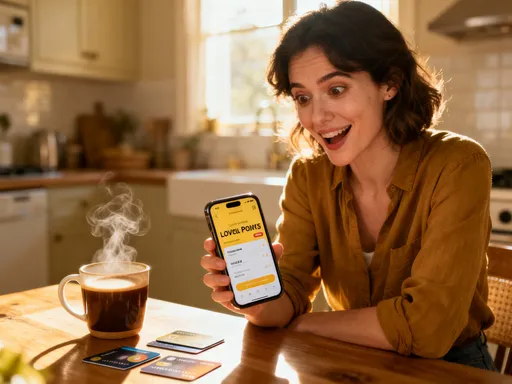
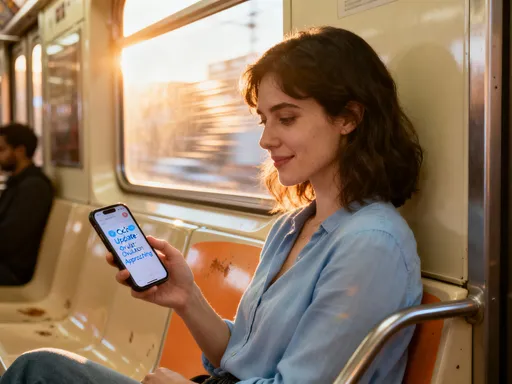
The first time I opened the dashboard, I gasped. There they were—my points, all in one view. No more guessing. No more digging through emails. I could instantly see that my coffee shop points were close to a free drink, my gas rewards were halfway to a $20 discount, and my grocery points were about to expire in two weeks. That last one would’ve slipped through the cracks if I hadn’t seen it right there on my phone. The app even sent gentle reminders when points were nearing expiration, so I never missed a deadline again. What used to feel overwhelming now felt manageable. Instead of a scattered collection of forgotten rewards, I had a clear, organized system that worked for me. And the best part? It took almost no effort. I didn’t have to remember anything. The app did the remembering for me.
Turning Knowledge Into Real-Life Benefits
With everything in one place, I started using my points more strategically. Before, I’d redeem randomly—maybe a small discount here, a free item there—but now I had a plan. I began setting goals. I wanted a $50 grocery gift card? I could see exactly how many more points I needed and how fast I was getting there. I wanted to save for a family movie night? I could track my progress week by week. The app even showed me which stores offered bonus points on certain days, so I could time my shopping to earn more. I wasn’t just collecting points anymore—I was building toward something.
This new approach changed how I shopped. I still bought what my family needed, but now I made small, intentional choices to maximize my rewards. For example, if two stores had similar prices, I’d choose the one where I could earn more points. If my gas rewards were about to expire, I’d plan a fill-up before the deadline. I even started combining points from different programs to reach bigger rewards faster. One month, I used grocery points for a gift card, gas points for a discount, and coffee points for a free drink—all in the same week. It felt like I was getting a little bonus for being smart.
But the real win wasn’t just in the free stuff. It was in the confidence I felt. I wasn’t wasting money anymore. I wasn’t letting value disappear. I was making the most of what I already had. And that sense of control spilled over into other areas of my life. I started paying more attention to sales, coupons, and store promotions. I became more mindful of my spending habits. I wasn’t chasing discounts—I was simply honoring the value I’d already earned. And that made me a more thoughtful, intentional shopper.
Small Habits That Made a Big Difference
One of the biggest lessons I learned was that small, consistent actions lead to big results. I didn’t need to spend hours managing my points. I just needed a few simple habits. The first was checking my app every Sunday morning with my coffee. It became part of my routine—just like checking the weather or planning meals for the week. In less than five minutes, I could see what was close to expiring, what rewards I was close to earning, and whether I needed to make any small adjustments in the week ahead. That tiny habit saved me hundreds of dollars over time.
I also set up automatic reminders for renewal dates and expiration alerts. The app did most of the work, but I made sure my cards were linked so I wouldn’t forget to scan them at checkout. I even started carrying a small cardholder with just my most important loyalty cards—no more digging through my wallet or forgetting them at home. These weren’t dramatic changes. They were small, practical tweaks that fit into my life without adding stress. But together, they made a huge difference.
Another thing that helped was celebrating small wins. When I earned a free coffee, I’d treat myself and acknowledge the effort. When I reached a bigger goal, like a $50 gift card, I’d share it with my family. Those moments reinforced the value of the system and made it feel rewarding, not like a chore. I wasn’t just saving money—I was building a habit of awareness and appreciation. And that mindset shift was worth more than any single reward.
Sharing the System With My Family
What started as a personal project quickly became a family effort. I showed my partner how the app worked, and he was amazed at how much he’d been missing. He had his own set of loyalty cards—mostly for gas and hardware stores—but he’d never tracked them. Once he started using the app, he began earning points toward a new grill and even saved enough for a weekend camping trip. We started comparing balances, sharing tips, and planning rewards together. It became a fun part of our conversations—"Did you see your gas points are almost at $30?" or "We’re only 200 points away from a free movie night!"
We even involved our kids. We let them save points for small rewards—like a toy, a book, or a trip to the ice cream shop. They loved watching their progress and feeling proud when they reached their goal. It was a gentle, practical way to teach them about saving, patience, and the value of money—without making it feel like a lesson. They didn’t realize they were learning financial awareness; they just thought they were earning a treat. And honestly, that’s the best kind of teaching—when it feels like fun, not a lecture.
What surprised me most was how this simple tool brought us closer. We were no longer just managing points—we were making plans, setting goals, and celebrating together. It turned everyday shopping into something meaningful. And that, to me, was the real reward.
Why This Isn’t Just About Free Stuff
At first, I thought this was just about getting free things. But over time, I realized it was about so much more. Managing my points taught me to pay attention—to notice what I was spending, where I was spending it, and how I could get more value from my choices. It taught me to be intentional. Every point represented a purchase I’d already made. By reclaiming those rewards, I wasn’t getting something for nothing. I was simply honoring the money I’d already spent.
That shift in thinking changed how I viewed my finances. I felt more in control. I wasn’t perfect—I still made impulse buys or forgot to scan a card sometimes—but I was more aware. I started asking myself: "Am I getting the most out of this?" That question led to better decisions, not just with points, but with everything. I became more mindful of subscriptions I wasn’t using, memberships I could cancel, and habits that weren’t serving me. The app didn’t just help me save money—it helped me think differently.
And perhaps most importantly, it gave me a sense of peace. In a world that often feels chaotic and overwhelming, having one area of my life that felt organized and under control was incredibly comforting. I wasn’t chasing perfection. I was simply making small, smart choices that added up over time. And that, I’ve learned, is how real change happens.
How This Changed the Way I See Everyday Technology
I used to think useful technology meant smart speakers, fitness trackers, or AI-powered assistants. I imagined the future as something flashy and complex. But this experience taught me that the most powerful tech isn’t always the most advanced—it’s the kind that fits seamlessly into your life and solves real problems. A simple app that helps you track loyalty points might not sound revolutionary, but for me, it was life-changing. It didn’t require a learning curve. It didn’t demand my attention. It just worked—quietly, reliably, and effectively.
That’s the kind of technology I now value most: tools that align with how we actually live. They don’t distract us. They don’t overwhelm us. They support us. They help us remember what matters, make better choices, and feel more in control. This app didn’t just save me money—it gave me time, clarity, and peace of mind. It reminded me that technology, at its best, isn’t about doing more. It’s about making the things we already do a little easier, a little smarter, and a little more meaningful.
And sometimes, the smallest tools bring the biggest rewards. Not just in points or free items, but in confidence, connection, and the quiet satisfaction of knowing you’re making the most of what you have. That’s the kind of tech I can get behind—one that doesn’t shout for attention but quietly makes life better, one small win at a time.