More than just errands: Local apps that quietly brought our family closer
Life moves fast, and between school runs, grocery lists, and weekend plans, it’s easy to feel like we’re juggling more than we’re living. I used to think local tech was just about convenience—faster deliveries, quicker takeout. But then I noticed something unexpected: the same tools helping me cross tasks off my list were also creating more moments with my kids, more calm with my partner, and more space for what truly matters. It wasn’t about efficiency—it was about connection. And honestly, that shift changed everything.
The Chaos Before the Calm: When Daily Life Felt Like a To-Do List
There was a time when our family calendar looked more like a battlefield than a planner. Every morning began with a checklist: pack lunches, sign permission slips, drop off the dry cleaning, call the plumber, pick up the dog’s meds. By dinner, I was too drained to ask my kids how their day went. We weren’t living—we were surviving, one urgent task at a time. I remember one Friday night, my daughter asked, ‘Are we doing anything fun this weekend?’ and I just stared at the stack of unopened mail on the counter. That moment hit me hard. We were under the same roof, but emotionally, we were miles apart.
What made it worse was how much of it felt unnecessary. We weren’t dealing with crises—just the endless loop of small things piling up. A broken vacuum. A forgotten birthday gift. A last-minute school project that needed supplies. Each one took time, energy, and decision-making power we didn’t have. My husband and I started snapping at each other over silly things—like who forgot to refill the printer ink or why the kids’ soccer cleats weren’t picked up. The truth? We were both overwhelmed. We weren’t failing as parents or partners—we were just drowning in the details.
It wasn’t until I sat down one Sunday afternoon, staring at a blank page in my planner, that I realized something had to change. I wasn’t asking for a vacation or a life overhaul—I just wanted to feel present. I wanted to laugh with my kids during dinner instead of arguing about chores. I wanted to look at my husband and feel like we were on the same team again. And I started wondering—what if there was a way to shrink the noise? What if the tools we already used for shopping or scheduling could do more than just save time? What if they could actually bring us closer?
Discovering the Hidden Helpers: How Local Services Became Family Allies
The turning point came by accident. I was scrolling through my phone, trying to find a local pharmacy that delivered prescription refills, when I stumbled on a neighborhood app I’d downloaded months ago and forgotten. It wasn’t flashy—no ads, no influencer posts—just a simple feed of local businesses, services, and community updates. I typed in ‘pharmacy delivery’ and found a small independent drugstore two miles away that offered same-day drop-off. I placed the order, paid through the app, and within three hours, a smiling delivery person handed me the bag at my front door. No parking hassle. No waiting in line. Just done.
That small win made me curious. I started exploring more. There was a local handyman service that fixed our leaky kitchen faucet in under two hours. A nearby florist who let me schedule a monthly bouquet for my mom’s birthday—automatically. A family-owned bakery that delivered fresh muffins every Saturday morning, just like my daughter loved. None of these were high-tech solutions. No AI, no voice assistants, no smart home integration. Just local businesses using simple apps to make life easier for people like me.
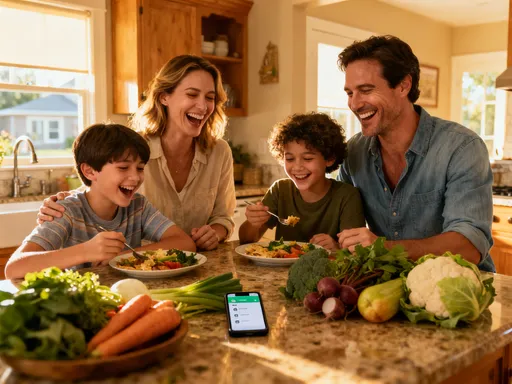
What surprised me most was how these tools didn’t just save time—they changed the emotional temperature of our home. When the sink wasn’t dripping, we weren’t annoyed. When the flowers arrived without me remembering, my husband smiled. When breakfast was already on the table, the kids weren’t whining. These weren’t grand gestures, but they added up. The constant background stress of forgotten tasks began to fade. And in that quiet, something unexpected happened: we started talking again. Not just logistics. Real conversations. About school, dreams, silly jokes. The space these apps created wasn’t just physical—it was emotional.
From Tasks to Togetherness: Turning Errands into Family Moments
One Saturday, instead of splitting up—me to the grocery store, my husband to the hardware shop, the kids stuck in the backseat—I suggested we try something different. I opened a local event finder app and searched for weekend activities nearby. Up popped a farmers’ market just ten minutes away, with live music, fresh produce, and a kids’ craft corner. ‘Let’s go as a family,’ I said. My husband raised an eyebrow. ‘Isn’t that just another errand?’ Maybe. But this time, it felt different.
We walked together through the stalls, the kids pointing at rainbow carrots and sniffing honey samples. My son asked a farmer how chickens lay eggs (a long, fascinating answer). My daughter picked out a jar of homemade jam and insisted on paying with her own money. We shared a grilled cheese sandwich from a food truck, sitting on a picnic bench under a tree. No one was rushing. No one was on their phone. For the first time in weeks, we were just… present.
Later, I realized something powerful: this wasn’t a replacement for family time—it was an expansion of it. We weren’t sacrificing fun for chores. We were turning chores into fun. The market wasn’t just a place to buy food; it became a shared experience. And it only happened because the app made it easy to find. No research, no guesswork, no stress. Just a simple tap, and we were there. Since then, we’ve used local event apps to find outdoor movie nights, pumpkin patches, holiday light displays, and even a petting zoo with baby goats. These aren’t luxuries. They’re reminders that family life can be joyful, even in the middle of a busy season.
Sharing the Load: How Tech Balanced Responsibilities at Home
Before we found balance, my husband and I were stuck in a cycle of silent resentment. I’d assume he knew the kids needed new backpacks. He’d assume I’d remembered the vet appointment. No one was trying to drop the ball—we just had too much in our heads. We weren’t communicating; we were guessing. And when things fell through, it felt personal. ‘You forgot.’ ‘No, you never told me.’ It wasn’t about the backpacks or the vet. It was about feeling unseen and unsupported.
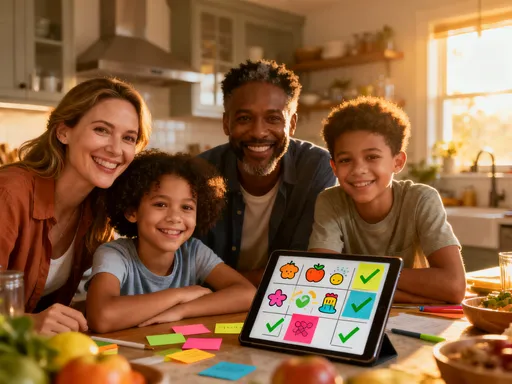
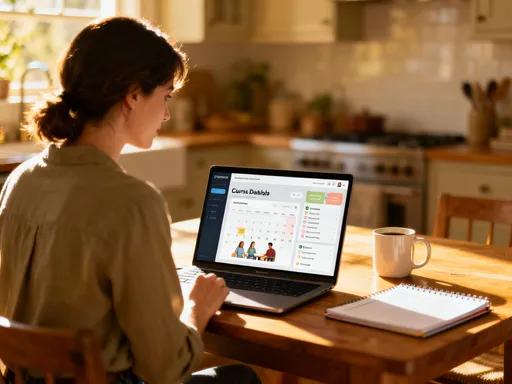
Then we started using a shared task board—a simple app that lets us assign and track local errands. Nothing fancy. I add ‘pick up dry cleaning’ and assign it to him. He adds ‘book AC service’ and tags me to approve. The kids even have their own section—‘return library books,’ ‘buy birthday gift for cousin.’ We get gentle reminders, and we can mark things done with a tap. It sounds small, but the impact has been huge.
Here’s what changed: we stopped keeping score. Instead of wondering who was doing more, we could see it—visibly, fairly. And when my husband picked up my mom’s birthday flowers on his way home, I didn’t just appreciate the gesture—I saw it in the app, marked ‘completed,’ with a little heart emoji he added. That tiny detail meant more than words. It showed he was paying attention. The app didn’t fix our communication—it gave us a better system so we could focus on the real stuff: listening, supporting, being there. We weren’t just dividing tasks. We were rebuilding trust, one checked box at a time.
Raising Capable Kids: Involving the Next Generation in Real Life
One of my proudest moments as a mom wasn’t a school play or a birthday party. It was watching my 12-year-old use a local store’s app to order her own school supplies. I didn’t do it to be lazy—I did it to teach. We sat together, opened the app, and I showed her how to search for items, compare prices, and check pickup times. She had a $50 limit, and she had to stick to it. She even called customer service when a notebook didn’t show up in her order. I listened from the kitchen, proud and a little nervous, as she calmly explained the issue and got it resolved.
That small act did more than check a box on our to-do list. It gave her confidence. She wasn’t just a kid waiting for adults to do things—she was someone who could take action. She learned budgeting, problem-solving, and communication. And she did it in a safe, guided way. We didn’t hand her the phone and walk away. We were there, coaching, asking questions, celebrating her wins.
Since then, we’ve let her use local apps for other things—ordering her own pizza on movie night, booking a manicure for her grandma’s birthday, even planning a small picnic with friends using a park reservation tool. Each time, she gains a little more independence. And each time, I gain a little more peace. Because I’m not raising a child who depends on me for everything—I’m raising a young adult who knows how to navigate the world, with kindness, clarity, and confidence. And that, to me, is the real win.
The Quiet Revolution: Small Tools, Big Emotional Payoffs
I used to think technology had to be flashy to be valuable. Big screens, voice commands, smart fridges that order milk. But the truth? The most meaningful tech in my life is the quiet kind. The app that reminds me my son’s soccer game is at 4:30. The service that delivers our favorite Thai food when I’m too tired to cook. The local bookstore that texts me when my daughter’s favorite author has a signing event.
These tools don’t announce themselves. They don’t need to. They simply remove friction. They turn stress into ease, isolation into connection, chaos into calm. And in that space, something beautiful grows. I’ve had heart-to-heart talks with my daughter during quiet car rides to a pickup location. I’ve shared ice cream with my husband while waiting for a repair person—something we’d never have done if we were both stressed about the leaky faucet. I’ve seen my kids light up when they realize they can make things happen on their own.
The emotional payoff isn’t in the task being done—it’s in what happens after. It’s in the extra ten minutes at the dinner table because we didn’t have to run another errand. It’s in the laughter over a silly mistake in an order that we fixed together. It’s in the quiet pride when my husband says, ‘We make a good team.’ These moments don’t come from grand gestures. They come from small, consistent acts of care—both from the people we love and the tools that support us.
Building a Life, Not Just Managing It: Making Local Tech Work for Your Family
If you’re feeling stretched thin, I want you to know this: you don’t need a perfect system. You don’t need to download ten apps or become a tech expert. You just need to start with one thing—the one task that always seems to fall through the cracks. Is it meal planning? Try a local grocery delivery service. Weekend boredom? Search for family-friendly events in your area. Forgotten supplies? Find a nearby store with a simple ordering app.
Try it once. Do it together. Talk about how it felt. Did it save time? Did it reduce stress? Did it create space for something better? Adjust as you go. Maybe the first app doesn’t work. Maybe the delivery was late. That’s okay. This isn’t about perfection. It’s about progress. The goal isn’t to eliminate effort—it’s to redirect it. To move from spending energy on survival to investing it in connection.
And remember: these tools don’t replace family. They protect it. They don’t automate love—they make room for it. The best moments of my week aren’t when the laundry is folded or the calendar is clear. They’re when my daughter tells me about her dream of being a scientist, when my husband hugs me from behind while I’m washing dishes, when we all end up on the couch, laughing at a silly video. Those moments don’t happen because we’re busy. They happen because we’re present. And presence? That’s the most valuable thing any app can help us find.