It’s Not Just About Reading: How E-Book Readers Helped Me Reclaim My Focus and Calm
Have you ever felt too drained to finish a book, even one you really wanted to read? I used to lie in bed, scrolling mindlessly, wishing I could just relax with a good story. Then I rediscovered reading—not with paper books, but with an e-book reader that fit perfectly into my busy life. It didn’t just make reading easier; it brought back my focus, quieted my mind, and gave me space to breathe. This is how it can do the same for you.
The Overwhelmed Mind in a Busy World
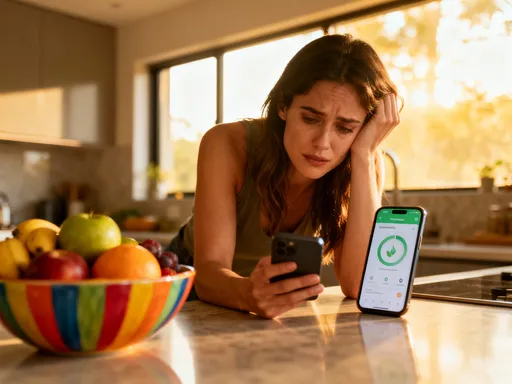
Let’s be honest—most of us are running on fumes. Between managing meals, school runs, work deadlines, and household chores, the idea of sitting down with a novel feels like a luxury we can’t afford. I used to love reading. As a kid, I’d lose myself in stories for hours. But somewhere along the way, that joy faded. My brain felt like a browser with 50 tabs open—always buzzing, never settling. By the time I sat down at night, I was too mentally exhausted to focus on anything longer than a social media post. I missed that quiet time when my mind could drift into another world. I missed feeling present. I didn’t realize how much I needed stillness until I could no longer find it.
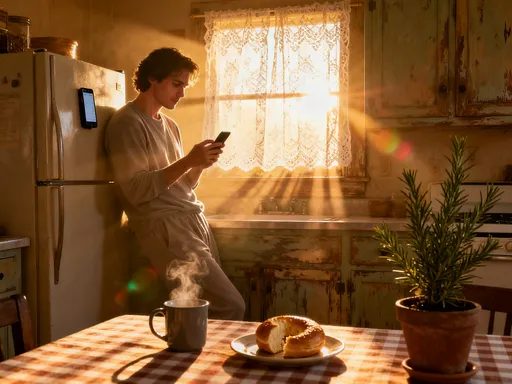
And I know I’m not alone. So many women I talk to say the same thing: they want to read, but they can’t concentrate. Their phones pull them in with every buzz. Their eyes strain from screen time. Their thoughts race from one unfinished task to the next. We weren’t built to live like this—always on, always reacting. We need moments of pause. We need to give our brains a break. But how? That’s the real question. I tried meditation apps, journaling, even screen-free evenings. Some helped, but nothing stuck—until I tried something simple: an e-book reader.
Discovering the Quiet Power of E-Book Readers
I’ll admit it—I bought my first e-reader almost by accident. I was at an electronics store, looking for a gift, and saw one on display. It looked plain, almost boring. No color screen, no apps, no camera. Just a small, lightweight device with text on a soft gray background. Out of curiosity, I bought one for myself. I didn’t expect much. But that first night, when I turned it on and started reading, something felt different. There were no notifications. No red badges. No temptation to check email or scroll through photos. Just me and the story. It was like stepping into a quiet room after being in a crowded marketplace.
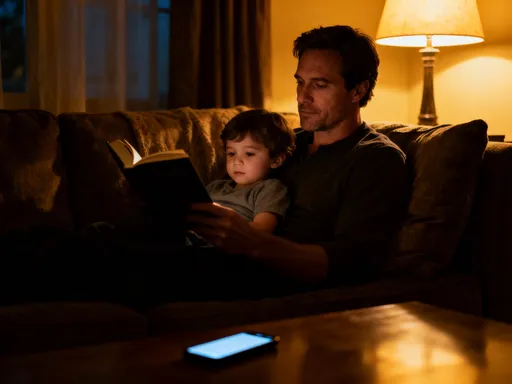
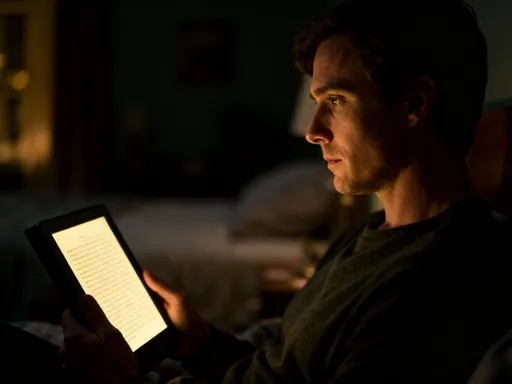
I started reading for just 20 minutes before bed. No pressure to finish chapters, no guilt if I fell asleep mid-sentence. And something shifted. I began to fall asleep faster. My mind wasn’t racing. I wasn’t replaying conversations or worrying about tomorrow’s to-do list. For the first time in years, I felt truly relaxed at bedtime. That small habit—reading one chapter a night—became my anchor. It wasn’t about the book itself, really. It was about creating a boundary between the chaos of the day and the peace of sleep. The e-reader wasn’t entertaining me. It was helping me transition. It became a signal to my brain: the day is over. Time to rest.
How Simplicity Supports Mental Clarity
What makes e-readers so effective isn’t their tech specs—it’s their simplicity. Unlike tablets or phones, they’re designed to do one thing: display text. That might sound limiting, but it’s actually liberating. There’s no YouTube autoplaying. No Instagram stories pulling you in. No emails flashing in the corner. Just words on a page. That absence of distraction is powerful. It gives your brain permission to focus—not in a forced way, but in a natural, flowing way. I noticed that after a few weeks of reading with my e-reader, I could concentrate better during the day too. Whether I was cooking, listening to my daughter talk about her day, or working on a project, my mind felt less scattered.
Scientists call this “cognitive restoration”—the idea that quiet, focused activities help repair our mental energy. And reading, especially on a distraction-free device, is one of the best ways to achieve it. The soft, glare-free screen mimics paper, reducing eye strain. The lack of blue light helps regulate melatonin, making it easier to fall asleep. But beyond the science, there’s something deeply human about it. We crave rhythm. We need rituals. And reading with an e-reader became mine. It wasn’t just a tech upgrade—it was a mental reset. Every time I opened it, I was choosing to slow down, to be present, to reclaim my attention from the digital noise.
Making Time for Yourself, One Page at a Time
One of the biggest lies we tell ourselves is that we don’t have time to read. But the truth is, we all have small pockets of time—waiting in line, sitting in the car during carpool, taking a break between tasks. Before I got my e-reader, I’d usually fill those moments with my phone. I’d check messages, browse news, or scroll through videos. But that kind of screen time doesn’t refresh us—it drains us. With the e-reader, I started using those gaps differently. I’d pull it out and read a few pages. No pressure. No agenda. Just a few minutes of peace.
Those moments added up. I realized I didn’t need hours of free time to enjoy reading. I just needed consistency. I began reading during lunch, on the porch with a cup of tea, or even in the bathroom (a sacred sanctuary for many of us!). The e-reader was always ready, always charged, always waiting. It became my quiet companion. And the more I read, the more I noticed a shift in my mood. I felt calmer. More centered. Less reactive. It wasn’t because I was reading self-help books or spiritual guides—though those are great too. It was simply because I was giving myself permission to pause. In a world that glorifies busyness, that small act felt revolutionary.
Personalizing Your Reading Experience
One of the things I love most about e-readers is how they adapt to *you*. I have friends who say, “I prefer paper books—they feel more real.” And I get that. But here’s what paper books can’t do: change font size with a tap, switch to warm light at night, or instantly define a word you don’t know. My eyes get tired easily, especially in the evening. With my e-reader, I can increase the font size so I don’t have to squint. I can switch to a sepia background that feels softer on the eyes. I can highlight a sentence and look up its meaning without leaving the page.
These features aren’t just convenient—they’re inclusive. I introduced my mom to my e-reader last year. She’s in her 70s and has trouble with small print. For years, she said she couldn’t read novels anymore. But with the adjustable text, she started reading again—thrillers, memoirs, even poetry. She told me it felt like getting a part of herself back. That hit me hard. This isn’t just a gadget. It’s a tool for connection, for independence, for joy. I’ve also shared it with my sister, who uses the dictionary feature to learn new words in English. We now text each other quotes from books we’re reading. It’s become a quiet way we stay close, even when we’re apart.
Building a Sustainable Reading Habit
Let’s talk about guilt. How many of us have started a book, gotten halfway through, and then let it sit for months? I used to feel guilty about that. I’d see it on my nightstand, judging me. But with the e-reader, that changed. It remembers exactly where I left off. It syncs my progress across devices, so if I start reading on my phone during the day, I can pick up on the e-reader at night. My library is organized, searchable, and always with me. No more lost bookmarks or dog-eared pages.
Because the experience is so seamless, I stopped seeing reading as a chore. I started setting small goals—just one chapter a night. And you know what? I usually read more. But even if I didn’t, that one chapter became a non-negotiable part of my routine. It was my time. My peace. My reward. Over time, I finished books I never thought I would. I explored genres I’d never tried—historical fiction, nature writing, even short story collections. I joined an online book club and started discussing what I read with other women. It wasn’t about being “well-read” or impressing anyone. It was about feeding my soul. And the e-reader made it possible by removing the friction that used to stop me.
More Than a Device—A Gateway to a Calmer Life
This isn’t just about reading. It’s about reclaiming your attention. It’s about choosing stillness in a world that never stops shouting. The e-reader didn’t transform my life overnight. But slowly, quietly, it changed how I move through my days. I’m more present. Less frazzled. More in tune with myself. I’ve rediscovered the joy of getting lost in a story—and in the process, I’ve found my way back to calm.
If you’ve been feeling overwhelmed, mentally tired, or disconnected from yourself, I want to gently suggest trying this. Not another app. Not another productivity hack. Just a simple e-reader. Use it to read one page. Then another. Let it be your signal to slow down. Let it be your reminder that you deserve moments of peace. Because you do. And sometimes, the most powerful technology isn’t the flashiest one—it’s the one that helps you breathe again.