Why I Never Knew Minerals Could Protect Me This Way
For years, I thought vitamins were the stars of health—minerals just faded into the background. But after constant fatigue and weak immunity, I dug deeper. What I found changed how I eat, sleep, and live. Turns out, minerals aren’t just helpers—they’re silent shields against chronic illness. This is what science—and my body—taught me about how these overlooked nutrients truly defend us from the inside out.
The Hidden Crisis: Why Mineral Deficiencies Fly Under the Radar
Many women in their 30s, 40s, and 50s experience persistent low energy, trouble sleeping, or frequent colds, yet routine blood tests show “normal” results. What often goes undetected is a subtle but significant decline in essential mineral levels. Unlike acute deficiencies that cause dramatic symptoms, modern mineral insufficiencies develop slowly, masked by fatigue blamed on busy schedules or aging. The truth is, decades of soil depletion, highly processed diets, and nutrient-poor food choices have quietly diminished the mineral content of what ends up on our plates.
Agricultural studies confirm that today’s fruits and vegetables contain fewer minerals than they did 50 years ago, due to repeated harvesting and synthetic fertilizers that prioritize yield over nutrition. This means even those who eat salads daily may not get enough magnesium, zinc, or selenium. Additionally, reliance on packaged and convenience foods—common among women balancing careers, households, and family needs—further reduces intake. These foods are often stripped of minerals during processing and lack the natural diversity found in whole, unrefined ingredients.
The body adapts to low mineral levels by prioritizing vital functions, such as heart rhythm or nerve signaling, at the expense of less immediate needs like immune resilience or cellular repair. Over time, this trade-off accumulates. A woman might not realize her frequent headaches stem from low magnesium, or that brittle nails reflect zinc deficiency. These signs are not just inconveniences—they are early warnings. Without awareness, minor imbalances can evolve into long-term health challenges, making it crucial to recognize mineral health as foundational, not optional.
Minerals as Bodyguards: How They Work Behind the Scenes
Minerals are not passive nutrients; they are active participants in nearly every biological process. Think of them as the spark plugs of metabolism—without them, the engine sputters. Magnesium, for example, is involved in over 300 enzymatic reactions, including those that regulate blood sugar, support nerve function, and maintain healthy blood pressure. Zinc plays a critical role in immune cell development and wound healing, while selenium acts as a powerful antioxidant, protecting cells from oxidative damage linked to aging and chronic disease.
At the cellular level, minerals function like precision tools. Calcium isn’t just for bones; it helps nerve cells communicate and muscles contract. Iron carries oxygen through the bloodstream, fueling energy production. Even trace minerals like chromium and manganese, needed in tiny amounts, contribute to insulin sensitivity and connective tissue strength. These roles are not interchangeable—each mineral has a unique and irreplaceable function.
What makes minerals especially protective is their preventive nature. They don’t wait for illness to act; they work continuously to maintain balance. For instance, adequate zinc levels help the body respond quickly to pathogens, reducing the duration and severity of infections. Magnesium supports the regulation of stress hormones, helping the body recover from daily strain before it leads to burnout. This behind-the-scenes work is why mineral sufficiency is linked to long-term resilience, not just short-term symptom relief.
Unlike pharmaceuticals that target specific conditions, minerals support the body’s innate ability to function optimally. They are not cure-alls, but their consistent presence enables systems to operate efficiently. When mineral levels are stable, the body is better equipped to handle environmental stressors, hormonal fluctuations, and the natural wear of aging. This quiet, continuous protection is what makes them true bodyguards of health.
The Prevention Power: Linking Minerals to Long-Term Health
Research consistently shows that individuals with adequate mineral intake are less likely to develop certain chronic conditions. While no single nutrient guarantees immunity, patterns emerge in large-scale observational studies. For example, populations with higher dietary magnesium intake tend to have lower rates of hypertension and type 2 diabetes. This is not coincidental—magnesium helps regulate insulin action and blood vessel relaxation, both of which influence metabolic and cardiovascular health.
Similarly, selenium has been studied for its role in thyroid function and antioxidant defense. The thyroid gland contains more selenium than any other organ, and this mineral is essential for converting thyroid hormones into their active forms. Women over 40, particularly those experiencing fatigue or weight changes, may benefit from maintaining optimal selenium levels, as imbalances can exacerbate age-related shifts in metabolism.
Calcium and vitamin D are well-known for bone health, but the full picture includes other minerals like phosphorus and magnesium, which work synergistically to maintain bone density. Long-term deficiency in these nutrients increases the risk of osteoporosis, a condition that affects millions of women worldwide. Importantly, bone loss begins silently, often without symptoms until a fracture occurs. This underscores the importance of consistent mineral intake long before problems appear.
Zinc, too, has long-term implications. Beyond its role in immunity, it supports DNA repair and cellular regeneration. As cells age and accumulate damage, zinc-dependent enzymes help maintain genetic integrity, potentially reducing the risk of age-related decline. These connections do not imply that minerals alone prevent disease, but they highlight how foundational nutrition supports the body’s ability to resist, repair, and renew.
The key insight is that mineral protection is cumulative. It’s not about a single meal or supplement, but the sum of daily choices. Women who prioritize mineral-rich foods throughout life tend to experience greater vitality and fewer age-related health setbacks. This preventive approach aligns with a growing understanding of health as a lifelong investment, not a reaction to crisis.
From Diet to Deficiency: Where We’re Going Wrong
Despite greater access to food, many women today are less nourished than previous generations. One major reason lies in the modern food system. Industrial farming practices have prioritized crop yield and shelf life over nutrient density. Studies from the USDA and other agricultural agencies show measurable declines in the mineral content of common foods over the past half-century. For instance, a carrot grown in 1950 contained significantly more calcium and magnesium than one grown today under conventional methods.
Processing further diminishes mineral value. Whole grains, rich in magnesium and selenium, are often refined into white flour, stripping away the nutrient-dense bran and germ. Similarly, canned and frozen meals, while convenient, may lose minerals during preparation or contain additives that interfere with absorption. Even fortified foods, which add back some vitamins, rarely restore the full spectrum of naturally occurring minerals.
Lifestyle factors also play a role. High stress increases the body’s use of magnesium, depleting reserves faster than they can be replenished. Caffeine and alcohol can impair mineral absorption, particularly of magnesium and zinc. Birth control pills and certain medications may also affect mineral balance, though individual responses vary. These influences are often overlooked, especially when symptoms are mild or attributed to other causes.
Even women who strive to eat well may fall short. A salad with spinach and nuts sounds healthy, but if the spinach was grown in mineral-depleted soil or the nuts are roasted at high heat, their nutrient content may be reduced. Smoothie bowls loaded with fruit but lacking seeds, greens, or legumes may miss key minerals altogether. The gap between intention and outcome is real, and closing it requires more than good intentions—it demands informed choices.
Food First: Rebuilding Intake Through Real Meals
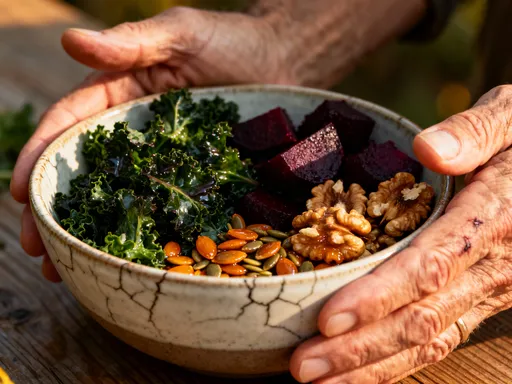
The most effective way to restore mineral balance is through whole, minimally processed foods. These provide nutrients in their natural ratios, along with fiber, phytonutrients, and other compounds that enhance absorption. Dark leafy greens like kale, Swiss chard, and collard greens are excellent sources of magnesium, calcium, and iron. Nuts and seeds—especially pumpkin seeds, almonds, and sunflower seeds—deliver zinc, magnesium, and selenium in compact, satisfying portions.
Legumes such as lentils, chickpeas, and black beans offer a rich blend of iron, magnesium, and phosphorus. When prepared properly, they become even more beneficial. Soaking beans before cooking reduces phytic acid, a compound that can bind minerals and limit absorption. Fermented foods like yogurt and kefir not only support gut health but also improve the bioavailability of calcium and other minerals.
Seafood, particularly wild-caught salmon, sardines, and shellfish, is one of the most concentrated natural sources of selenium and zinc. Including fish a few times a week can significantly boost intake, especially for women who may not consume red meat. Whole grains like quinoa, brown rice, and oats retain more minerals than refined versions and provide sustained energy along with essential nutrients.
Simple meal adjustments can make a difference. Swapping white rice for brown or wild rice adds magnesium and selenium. Adding a handful of spinach to an omelet increases iron and calcium. Sprinkling ground flax or chia seeds on yogurt boosts omega-3s and minerals. These changes don’t require drastic overhauls; they build on familiar routines with small, sustainable upgrades.
Meal planning can also help. Prepping a weekly batch of roasted vegetables with olive oil and herbs ensures a ready supply of mineral-rich sides. Keeping a jar of mixed nuts and seeds on the counter encourages healthy snacking. The goal is not perfection, but consistency—making mineral-dense foods a regular, enjoyable part of daily life.
When Food Isn’t Enough: The Role of Smart Supplementation
While food should always be the foundation, there are times when supplementation may be necessary. Women with restricted diets—such as those avoiding dairy, meat, or gluten—may struggle to meet mineral needs through food alone. Older adults may have reduced absorption due to changes in digestion. Certain health conditions, like celiac disease or Crohn’s, can impair nutrient uptake, making supplementation a practical support.
However, not all supplements are created equal. Quality matters. Look for products from reputable brands that undergo third-party testing for purity and potency. Forms of minerals also vary in absorbability—for example, magnesium glycinate is often better tolerated than magnesium oxide. Zinc picolinate may be more effective than zinc sulfate for some individuals.
It’s important to avoid self-diagnosis. Symptoms like fatigue or hair loss can have multiple causes, and taking high-dose supplements without guidance may lead to imbalances. Excess iron, for instance, can be harmful, especially for postmenopausal women. Copper and zinc must be balanced, as too much of one can deplete the other. Therefore, any decision to supplement should involve a conversation with a healthcare provider, ideally with blood work to assess actual levels.
Supplements are not shortcuts, but tools. They work best when used strategically, alongside a nutrient-rich diet. A multivitamin with minerals may fill gaps, but it should not replace whole foods. The aim is to support, not substitute, the body’s natural needs with informed, responsible choices.
Building a Mineral-Rich Life: Small Shifts, Big Protection
Protecting your health doesn’t require radical changes or expensive regimens. It begins with awareness—recognizing that minerals are not minor players, but essential defenders of daily function and long-term well-being. The habits that support mineral health are the same ones that promote overall vitality: eating a variety of whole foods, managing stress, and making informed choices about nutrition.
Start with one change. Add a serving of leafy greens to your lunch. Choose whole grains over refined ones. Snack on seeds instead of processed bars. Over time, these small actions build a foundation of resilience. They are not about achieving perfection, but about honoring your body with consistent care.
Think of mineral awareness as a form of self-respect. It’s a commitment to long-term health, not just immediate comfort. It means reading labels, asking questions, and being curious about where your food comes from. It means understanding that what you eat today influences how you feel tomorrow, and years from now.
The journey to better mineral health is not urgent, but it is important. It’s a quiet, ongoing practice of nourishment and protection. By giving minerals the attention they deserve, you empower your body to function at its best, defend against imbalance, and sustain the energy and strength needed for all of life’s roles. This is not just nutrition—it’s a lifelong act of care.