How Massage Therapists Stay Energized: The Real Food Rules They Follow
You wouldn’t expect a massage therapist’s hands to heal others if their body were running on empty. Yet, what fuels their stamina, recovery, and focus often comes down to one overlooked factor: diet. Behind every effective session is a professional who eats intentionally—not for weight loss or trends, but for sustained energy, reduced inflammation, and faster muscle recovery. This is how proper nutrition quietly powers the healing touch. While clients leave feeling lighter and restored, the therapist remains on their feet for hours, repeating precise movements that demand physical and mental endurance. To meet these demands without burning out, many therapists rely not on supplements or shortcuts, but on a consistent, thoughtful approach to food—one rooted in science, practicality, and long-term wellness.
The Hidden Link Between Diet and Healing Hands
Massage therapy is far more physically demanding than it may appear. Practitioners spend hours in static postures, applying deep pressure with their hands, thumbs, elbows, and forearms. They stand for extended periods, often leaning forward or twisting to access hard-to-reach areas. This repetitive strain places significant stress on the hands, wrists, shoulders, and lower back. Over time, without proper recovery, these physical demands can lead to chronic discomfort, joint wear, and even early career exit. While ergonomic techniques and stretching are essential, they are only part of the solution. What many overlook is that the body’s ability to withstand and recover from this daily strain is deeply tied to nutrition.
Every movement a therapist makes relies on muscle contraction, joint lubrication, and nerve signaling—all of which require specific nutrients to function optimally. Poor dietary choices can weaken tissue resilience, slow recovery, and increase the risk of overuse injuries. For example, a diet high in processed foods may lead to systemic inflammation, making tendons more susceptible to microtears. Conversely, a diet rich in whole foods supports cellular repair, enhances circulation, and stabilizes energy. The therapist who eats balanced meals is not just feeding themselves—they are maintaining the very instrument of their profession.
Consider two therapists working the same schedule. One skips breakfast, grabs a sugary pastry mid-morning, and eats a fast-food lunch. By 3 p.m., they feel sluggish, their hands ache, and their concentration wavers. The other starts with a protein-rich breakfast, snacks on nuts and fruit, and eats a colorful salad with grilled salmon for lunch. They maintain steady energy, recover faster between sessions, and feel physically capable at the end of the day. The difference isn’t genetics or willpower—it’s nutrition. What they eat directly influences their physical output, injury risk, and professional longevity.
Why Inflammation Is the Silent Enemy
Inflammation is a natural immune response that helps the body heal from injury. However, when it becomes chronic—persisting over weeks or months—it turns from protector to problem. For massage therapists, chronic inflammation can slow tissue repair, increase joint stiffness, and prolong recovery from physical strain. The surprising truth is that diet plays a major role in whether inflammation remains a helpful response or becomes a persistent burden.
Certain foods commonly found in the modern diet can trigger or worsen inflammation. Processed sugars, such as those in sodas, pastries, and packaged snacks, cause rapid spikes in blood sugar, prompting the release of inflammatory markers. Refined vegetable oils—like soybean, corn, and sunflower oil—found in fried foods and processed meals, are high in omega-6 fatty acids. While some omega-6 is necessary, an imbalance between omega-6 and omega-3 fats promotes inflammation. Excess alcohol consumption also contributes, as it increases oxidative stress and impairs liver function, which plays a key role in regulating inflammation.
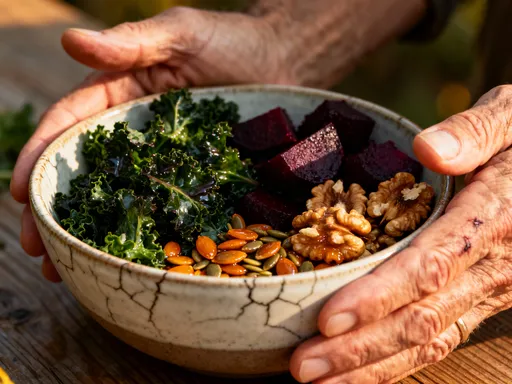
On the other hand, many whole foods actively reduce inflammation. Fatty fish such as salmon, mackerel, and sardines are rich in omega-3 fatty acids, which have been shown in numerous studies to lower levels of inflammatory compounds in the body. Leafy greens like spinach and kale contain antioxidants that protect cells from damage. Nuts, especially walnuts and almonds, provide healthy fats and vitamin E, which support tissue health. Berries—blueberries, strawberries, raspberries—are packed with polyphenols, plant compounds that help calm the immune system’s overactivity.
The science behind these foods is clear, but the impact is even more evident in daily practice. Therapists who replace processed snacks with anti-inflammatory choices often report less joint stiffness, reduced muscle soreness, and quicker recovery between clients. One practitioner noted that after cutting out sugary drinks and adding more fatty fish and berries to her diet, her wrist pain diminished significantly. She didn’t change her technique—she changed what she ate. This is the power of food as medicine: subtle, consistent, and profoundly effective.
Sustained Energy Through Blood Sugar Balance
Energy crashes are a common complaint among massage therapists. One moment they’re focused and strong; the next, they’re fighting fatigue, brain fog, and shaky hands. These fluctuations are often tied to blood sugar imbalances. When a person eats a meal high in refined carbohydrates—like white bread, pastries, or sugary drinks—blood sugar rises quickly. The body responds by releasing insulin to bring it back down. But too much insulin can cause blood sugar to drop too low, leading to fatigue, irritability, and poor concentration.
For a massage therapist, this is more than just discomfort—it’s a professional liability. Steady hands, precise pressure, and mental clarity are essential. A sudden energy dip can compromise technique, reduce client satisfaction, and increase the risk of physical strain. The solution lies not in caffeine or sugar fixes, but in stabilizing blood sugar through smart food choices. Complex carbohydrates, fiber, and protein work together to slow digestion and release energy gradually.
Instead of a bagel with jam, a therapist might choose oatmeal made with steel-cut oats, topped with sliced almonds, chia seeds, and blueberries. The oats provide slow-digesting carbohydrates, the nuts and seeds add protein and healthy fats, and the berries contribute fiber and antioxidants. This combination keeps blood sugar steady for hours. At lunch, a quinoa bowl with roasted vegetables, chickpeas, and a lemon-tahini dressing offers a similar balance. The quinoa is a complete protein and a complex carb, the chickpeas add fiber, and the tahini provides healthy fats.
Timing also matters. Eating small, frequent meals every 3–4 hours helps maintain energy levels throughout a long workday. A mid-morning snack of Greek yogurt with a handful of walnuts or an apple with almond butter can prevent the 11 a.m. slump. An afternoon snack of hummus with carrot and cucumber sticks supports focus and physical endurance. These habits aren’t about strict dieting—they’re about strategic fueling. The goal is not to eat less, but to eat in a way that sustains performance, protects the body, and supports mental clarity.
Hydration: More Than Just Drinking Water
Everyone knows hydration is important, but few understand how deeply it affects physical performance. For massage therapists, dehydration can mimic symptoms of fatigue, reduce muscle elasticity, and increase the risk of cramping. Even mild dehydration—just 2% loss of body water—can impair concentration, coordination, and endurance. Yet, many therapists unknowingly operate in a state of chronic low-level dehydration, especially if they rely on coffee or forget to drink water during back-to-back sessions.
Hydration isn’t just about water intake—it’s about electrolyte balance. Electrolytes like sodium, potassium, and magnesium are essential for nerve function, muscle contraction, and fluid regulation. When these minerals are out of balance, muscles can cramp, hands can feel weak, and recovery slows. Potassium, found in bananas, sweet potatoes, and avocados, helps regulate fluid balance and supports muscle function. Magnesium, present in spinach, pumpkin seeds, and dark chocolate, plays a role in over 300 enzymatic reactions, including those involved in energy production and muscle relaxation.
Plain water is essential, but it’s not the only source of hydration. Herbal teas—such as chamomile, peppermint, or ginger—can be soothing and contribute to fluid intake without caffeine. Water-rich foods like cucumbers, celery, oranges, and watermelon also provide both hydration and nutrients. A lunch salad with cucumber, tomato, and citrus dressing isn’t just nutritious—it’s hydrating. These small choices add up, helping the body maintain optimal fluid levels throughout the day.
Caffeine, while a common crutch for tired therapists, can be a double-edged sword. Moderate coffee intake may boost alertness, but excessive consumption can lead to dehydration, jitteriness, and disrupted sleep. Many therapists find that switching from multiple cups of coffee to one in the morning and herbal tea in the afternoon improves their energy stability and recovery. The key is awareness: listening to the body’s signals and adjusting habits to support long-term vitality rather than short-term stimulation.
Nutrition for Injury Prevention and Recovery
Massage therapists are athletes of the hands and body. Just as a runner needs strong tendons and resilient muscles, a therapist needs durable connective tissues and efficient repair mechanisms. Nutrition plays a critical role in building and maintaining this physical resilience. While rest and stretching are vital, the body cannot repair itself without the right raw materials—proteins, amino acids, vitamins, and minerals.
Protein is the foundation of tissue repair. It provides the amino acids needed to rebuild muscle fibers, repair tendons, and maintain joint health. Therapists should aim for a consistent intake of high-quality protein throughout the day. Whole food sources like chicken, turkey, eggs, Greek yogurt, legumes, and tofu are excellent choices. These foods not only supply protein but also come with additional nutrients—such as B vitamins and iron—that support energy metabolism and oxygen delivery to tissues.
Collagen, a structural protein found in connective tissues, is especially important for joint and tendon health. While collagen supplements have become popular, they are not necessary if the diet includes foods that support natural collagen production. Vitamin C, found in citrus fruits, bell peppers, and broccoli, is essential for collagen synthesis. Zinc, present in oysters, pumpkin seeds, and lentils, also plays a role in tissue repair. Rather than relying on expensive powders, therapists can support their bodies by eating a varied, nutrient-dense diet.
The focus should be on consistency, not quick fixes. One large protein meal won’t reverse years of strain, but daily attention to nutrition can prevent injuries before they happen. A therapist who eats a balanced diet rich in protein, vitamins, and minerals is better equipped to handle the physical demands of their work. They recover faster, feel stronger, and reduce their risk of chronic issues. This isn’t about perfection—it’s about building a body that can sustain a long and fulfilling career.
Real-Life Eating Habits of Practicing Therapists
The principles of good nutrition are clear, but real life is messy. Therapists face tight schedules, back-to-back appointments, and limited break times. What they eat often depends on convenience, access, and planning. Yet, those who maintain high energy and physical resilience tend to share common habits: meal prep, smart snacking, and mindful choices even under pressure.
Many successful therapists prepare meals in advance. On Sundays, they might roast a tray of vegetables, cook a batch of quinoa, and grill several chicken breasts. These components can be mixed and matched throughout the week into balanced lunches. Others keep a well-stocked pantry with nuts, seeds, canned beans, and whole grain crackers. When time is short, they assemble a quick meal—hummus, sliced veggies, and a hard-boiled egg—instead of reaching for fast food.
Snacking is another area where small choices make a big difference. Instead of vending machine chips or candy bars, many therapists carry almonds, dried fruit, or a small container of yogurt in their bag. One therapist keeps a jar of mixed nuts at her clinic and eats a small handful between clients. Another brings a banana and a spoonful of peanut butter as a mid-shift boost. These snacks provide sustained energy without the crash.
Planning is key. Those who eat well don’t do so by accident—they make it a priority. They know that skipping meals leads to poor decisions later. They pack water bottles and herbal teas to stay hydrated. They avoid arriving at work hungry, which often leads to impulsive, less nutritious choices. Their habits aren’t perfect, but they are consistent. They understand that self-care isn’t selfish—it’s professional necessity.
Building a Sustainable Eating Mindset
Optimal nutrition isn’t about following a strict diet or eliminating all treats. It’s about building a sustainable relationship with food—one that supports long-term health without causing stress or guilt. Many therapists fall into the trap of all-or-nothing thinking: if they can’t eat perfectly, they give up entirely. But true resilience comes from consistency, not perfection.
Mindful eating is a powerful tool. It means paying attention to hunger and fullness cues, eating without distraction, and choosing foods that nourish the body. It also means allowing for flexibility. A slice of cake at a birthday party or a meal out with friends doesn’t undo weeks of healthy eating. What matters is the overall pattern. The therapist who eats well 80% of the time and enjoys life the other 20% is far more likely to sustain their habits than one who follows a rigid plan until they burn out.
This mindset shift—from restriction to resilience—changes everything. It removes the pressure of perfection and replaces it with self-compassion. It acknowledges that life is unpredictable, but health is still possible. A therapist who views food as fuel, not punishment, is more likely to make choices that support their energy, recovery, and joy in their work.
In the end, the way a massage therapist eats is a form of professional self-care. It’s not just about feeling good—it’s about being able to show up, day after day, with strong hands, a clear mind, and a resilient body. Their ability to help others heal depends on their own well-being. By treating nutrition as a core part of their practice, they invest in their longevity, their effectiveness, and their capacity to make a difference. The healing touch begins with what they put on their own plate.