How I Rebuilt My Strength After Injury — A Real Wellness Journey
Recovering from an injury can feel like climbing a mountain with no peak in sight. I know because I’ve been there — sidelined by pain, losing mobility, and frustrated with slow progress. But through consistent, mindful rehabilitation training, I regained not just movement, but confidence. This is a real story of patience, science-backed methods, and small wins that added up. It’s not about quick fixes, but lasting health transformation. The journey wasn’t easy, but it was worth every step. What began as a struggle to walk without discomfort evolved into a deeper understanding of how the body heals, how the mind supports recovery, and how small daily choices can create long-term change. This is not a miracle story — it’s a message of hope grounded in practical action and resilience.
The Wake-Up Call: When My Body Said “Enough”
It started subtly — a dull ache in the lower back after long days of standing. At first, I dismissed it as normal fatigue, the kind of discomfort that comes with staying active and managing a busy household. But over time, the pain grew sharper, more persistent. Simple tasks like lifting a grocery bag, bending to tie a shoe, or getting up from a chair became painful reminders that something was wrong. One morning, I couldn’t even rise from bed without wincing. That moment was my wake-up call. My body had reached its limit, and I could no longer ignore the signals.
The emotional toll was just as heavy as the physical strain. I felt frustrated, isolated, and increasingly dependent on others. I had always prided myself on being self-reliant — managing my home, caring for my family, staying active in my community. Now, I needed help with things I once took for granted. The loss of independence was disheartening. I began to worry about what the future might hold. Would I always feel this way? Would I ever regain the strength and freedom I once had?
What changed everything was the decision to stop avoiding the problem and start addressing it. Instead of hoping the pain would go away on its own, I made an appointment with a physical therapist. That first consultation was eye-opening. I learned that my injury wasn’t just a random occurrence — it was the result of years of poor posture, repetitive strain, and ignoring early warning signs. More importantly, I learned that healing was possible, but only if I committed to a structured, patient approach. Rehabilitation wasn’t a punishment for getting hurt; it was an investment in my long-term well-being. That shift in mindset — from victim to participant in my own recovery — became the foundation of my progress.
Understanding Rehabilitation: More Than Just Exercise
When most people hear the word “rehabilitation,” they think of athletes recovering from surgery or serious accidents. But rehabilitation training is relevant to far more than high-performance scenarios. It’s a science-based process designed to restore function, rebuild strength, and improve movement after any kind of physical setback — whether it’s chronic back pain, a joint injury, or reduced mobility from inactivity. At its core, rehabilitation is about retraining the body to move safely and efficiently, reducing pain and preventing further damage.
What many don’t realize is that rehabilitation is not just about physical exercise. It’s a holistic approach that includes education, body awareness, pain management, and behavioral changes. It teaches you how to move with intention, how to recognize harmful patterns, and how to support your body’s natural healing abilities. For someone recovering from injury, this means more than just doing a set of prescribed movements — it means developing a deeper relationship with your body and learning to listen to its signals.
Another common misconception is that rehabilitation is only necessary after a major injury or surgery. In reality, even minor, long-standing discomforts can benefit from structured rehabilitation. Ignoring persistent aches or adapting your movements to avoid pain may provide temporary relief, but over time, these compensations can lead to new imbalances and additional strain. Rehabilitation helps correct those patterns before they become more serious problems. It’s not about fixing one issue in isolation; it’s about improving overall function and resilience.
For women in their 30s to 50s, this is especially important. Changes in hormones, lifestyle demands, and the natural aging process can all affect muscle strength, joint stability, and recovery speed. Rehabilitation offers a way to stay strong, mobile, and independent — not just during recovery, but throughout life. It’s not a short-term fix; it’s a long-term strategy for maintaining health and quality of life.
The Science Behind Movement Recovery
Healing after an injury isn’t just about waiting for pain to go away — it’s an active biological process. When tissues are damaged, whether it’s muscle, tendon, or ligament, the body initiates a repair sequence that involves inflammation, rebuilding, and remodeling. In the early stages, rest and protection are important, but prolonged inactivity can actually slow recovery. The key is to introduce movement at the right time and in the right way. Controlled, progressive activity stimulates blood flow, delivers nutrients to healing tissues, and helps prevent stiffness and weakness.
One of the most important aspects of rehabilitation is neuromuscular re-education — the process of retraining the brain and nervous system to communicate effectively with the muscles. After an injury, movement patterns often change as the body adapts to avoid pain. These compensations can become habitual, even after the injury has healed. For example, someone with a past knee injury might shift their weight to one side when walking, leading to imbalances in the hips and lower back. Rehabilitation exercises help re-establish proper muscle activation, improving coordination and stability.
Targeted exercises also play a crucial role in rebuilding strength and joint support. When done correctly, they stimulate muscle fibers to grow stronger and more resilient. This isn’t about lifting heavy weights or pushing to exhaustion — it’s about consistency, proper form, and gradual progression. The principle of progressive overload, though it sounds technical, is simple: by gently increasing the challenge over time, the body adapts and becomes stronger. This builds confidence as well as physical capacity.
Another key factor is individualization. No two injuries or bodies are exactly alike, so rehabilitation must be tailored to the person. What works for one individual may not be appropriate for another. A program that respects personal limits, accounts for medical history, and adjusts to daily feedback is far more effective than a one-size-fits-all approach. This personalized focus ensures that recovery is not only safe but sustainable.
My Step-by-Step Rehabilitation Approach
My recovery didn’t follow a rigid, overnight plan — it was a structured yet flexible process that evolved over time. It began with a thorough assessment by a licensed physical therapist, who evaluated my range of motion, strength, posture, and movement patterns. This initial evaluation was critical because it identified the root causes of my pain, not just the symptoms. Based on this, we set realistic, measurable goals — things like walking for 20 minutes without discomfort, lifting moderate weights safely, and improving core stability.
The program was divided into phases. The first phase focused on pain management and gentle mobility. I started with simple movements like pelvic tilts, knee-to-chest stretches, and seated spinal rotations. These exercises helped reduce stiffness and restore basic movement without strain. As my comfort improved, we introduced light resistance training using resistance bands and bodyweight exercises such as bridges and modified planks. These built foundational strength in the core and glutes — muscles that support the lower back and pelvis.
The next phase included balance and functional training. I practiced standing on one leg, step-ups, and controlled squats — movements that mimic daily activities. These not only improved strength but also enhanced body awareness and coordination. Throughout each stage, I tracked my progress in a journal, noting improvements in pain levels, endurance, and ease of movement. This record became a source of motivation, especially on days when progress felt slow.
Professional guidance was essential. My physical therapist monitored my form, adjusted exercises as needed, and helped me interpret pain signals. Not all discomfort is harmful — some is a sign of adaptation — but knowing the difference prevented setbacks. I also learned when to rest and when to push gently forward. This balance between challenge and recovery became a cornerstone of my routine. Over time, the exercises that once felt difficult became part of my daily life, not a chore but a habit.
Mental Resilience: The Hidden Part of Healing
Physical recovery is only one part of the healing journey — the mental and emotional aspects are equally important. There were days when I felt discouraged, especially when progress stalled or when old pain flared up. The fear of re-injury was real. I worried that one wrong move could undo all my hard work. This anxiety sometimes made me hesitant to try new movements, even when my therapist encouraged me. I realized that healing wasn’t just about strengthening my body — it was about building mental resilience too.
Mindfulness became a powerful tool. I started paying closer attention to how I moved, how I breathed, and how I spoke to myself. Instead of thinking, “I’ll never get better,” I practiced replacing those thoughts with, “I’m making progress, even if it’s slow.” Positive self-talk didn’t erase the challenges, but it shifted my focus from frustration to gratitude for small improvements. I also began setting micro-goals — things like completing a full set of exercises or standing with better posture during cooking. Celebrating these tiny wins kept me engaged and motivated.
Patience was another lesson I had to learn. In a world that values speed and instant results, rehabilitation teaches the value of slow, steady progress. I had to let go of the idea that recovery should follow a linear path. Some weeks brought clear improvements; others felt like setbacks. But I learned that healing is not a straight line — it’s a series of steps forward, pauses, and occasional steps back. What mattered was consistency, not perfection.
Rest and reflection were also part of my mental recovery. I made time to sit quietly, breathe deeply, and acknowledge how far I’d come. Journaling helped me process emotions and track not just physical changes but emotional ones too. This holistic approach — caring for the mind as much as the body — made the journey more sustainable and meaningful.
Daily Habits That Accelerated My Recovery
While exercise was central to my rehabilitation, I discovered that other daily habits played a crucial supporting role. Sleep, for example, became a priority. I learned that tissue repair happens primarily during deep sleep, so getting seven to eight hours of quality rest wasn’t a luxury — it was essential for healing. I established a calming bedtime routine: turning off screens an hour before bed, drinking herbal tea, and doing gentle stretches. These small changes improved my sleep quality and, in turn, my recovery speed.
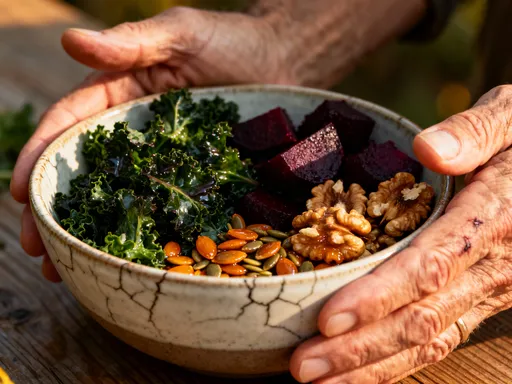
Hydration was another key factor. Muscles and connective tissues need water to function properly. Even mild dehydration can increase muscle stiffness and reduce circulation, slowing recovery. I made it a habit to carry a water bottle and drink consistently throughout the day. I also paid attention to my nutrition, focusing on whole foods rich in protein, healthy fats, and antioxidants. Foods like lean meats, eggs, nuts, leafy greens, and berries provided the building blocks for tissue repair and helped reduce inflammation.
Stress management was equally important. Chronic stress raises cortisol levels, which can interfere with healing and increase pain sensitivity. I incorporated simple stress-reducing practices into my day — short walks in nature, listening to calming music, and practicing deep breathing. These weren’t time-consuming, but they made a noticeable difference in how I felt physically and emotionally.
What I realized is that wellness isn’t built in the gym or therapy room alone — it’s shaped by the choices we make every day. Small, consistent habits compound over time, creating a foundation that supports recovery and long-term health. You don’t need to overhaul your life to make a difference. Start with one change — drink more water, sleep a little longer, take five minutes to breathe deeply — and build from there.
From Recovery to Lifelong Wellness: Staying Strong for Good
After several months of dedicated rehabilitation, I reached a point where my pain had significantly decreased, my mobility had returned, and my strength had improved beyond what it was before the injury. But I didn’t stop there. I realized that the habits I had developed weren’t just for recovery — they were for life. I transitioned from a rehabilitation program to a maintenance routine that continues to support my body.
My current routine includes daily stretching, regular strength training, and mindful movement practices like walking and yoga. I pay attention to my posture, take breaks from sitting, and continue to listen to my body’s signals. I’ve also learned to recognize early signs of strain and address them before they become problems. This proactive approach has helped me avoid relapses and maintain a high quality of life.
Rehabilitation taught me that strength isn’t just about how much you can lift — it’s about resilience, adaptability, and consistency. It’s about showing up for yourself every day, even when it’s hard. What started as a necessity became a commitment to lifelong wellness. I no longer see exercise as a chore or a punishment for past inactivity — I see it as a form of self-respect and self-care.
For anyone recovering from an injury, I encourage you to view rehabilitation not as a temporary phase, but as the beginning of a stronger, healthier life. It’s not about returning to who you were — it’s about becoming who you want to be. Progress takes time, but every small step counts. Stay patient, stay consistent, and never underestimate the power of listening to your body. Healing is possible, and you are stronger than you think.